Regenerative is now on wine labels, hotel websites, restaurant menus, tourism strategies and skincare. It has had the same arc as sustainable. Useful term, then popular term, then a term that means whatever the person saying it needs it to mean.
I use it anyway, because the thing it describes is real and I have watched people do it. Anyone using it now owes the reader some precision, so here is mine, starting with what it does not mean.
There is no certificate
Organic is legally defined and audited. Regenerative is not, in most of Europe, for most crops. Nobody can stop you claiming it. A producer using the word is either telling you the truth or has noticed that it sells, and there is no label that helps you tell the difference.
I find that uncomfortable, and I would rather say so than pretend the word does more work than it does.
It is a different claim from organic
Organic tells you what a farmer does not put on the land. It is a list of prohibitions and a good one.
Regeneration is a claim about direction. Is this soil more alive than it was five years ago. Is there more organic matter, more fungal life, more water held. You can farm organically and still deplete soil, if all you have done is remove the chemicals and change nothing else.
The two overlap constantly. Pepe Mendoza farms his terraces organically and dry-farms them, and the second thing is the one no certificate would cover.
It is not always possible
A farmer on rented land with a one-year contract cannot make a ten-year decision about soil. A producer carrying a bank loan cannot accept three seasons of lower yield while the ground recovers.
The producers we film are mostly not the ones who found this easy. They found a way to absorb the cost, usually through other income, family land, or a stubbornness that has cost them money.
Anyone presenting regeneration as the obvious better choice has not asked a farmer what it costs.
And it is not a story about the past
What interests me about the varieties in this region is not their age. It is that several of them are better suited to this ground than the things that replaced them, and that the people who kept them are the reason we still have the choice. Ana Climent’s cacau del collaret exists today because her father went on selecting and sowing his best pods every year when there was no commercial reason to.
That is an argument about the future that happens to run through the past.
What it looks like on an actual hillside
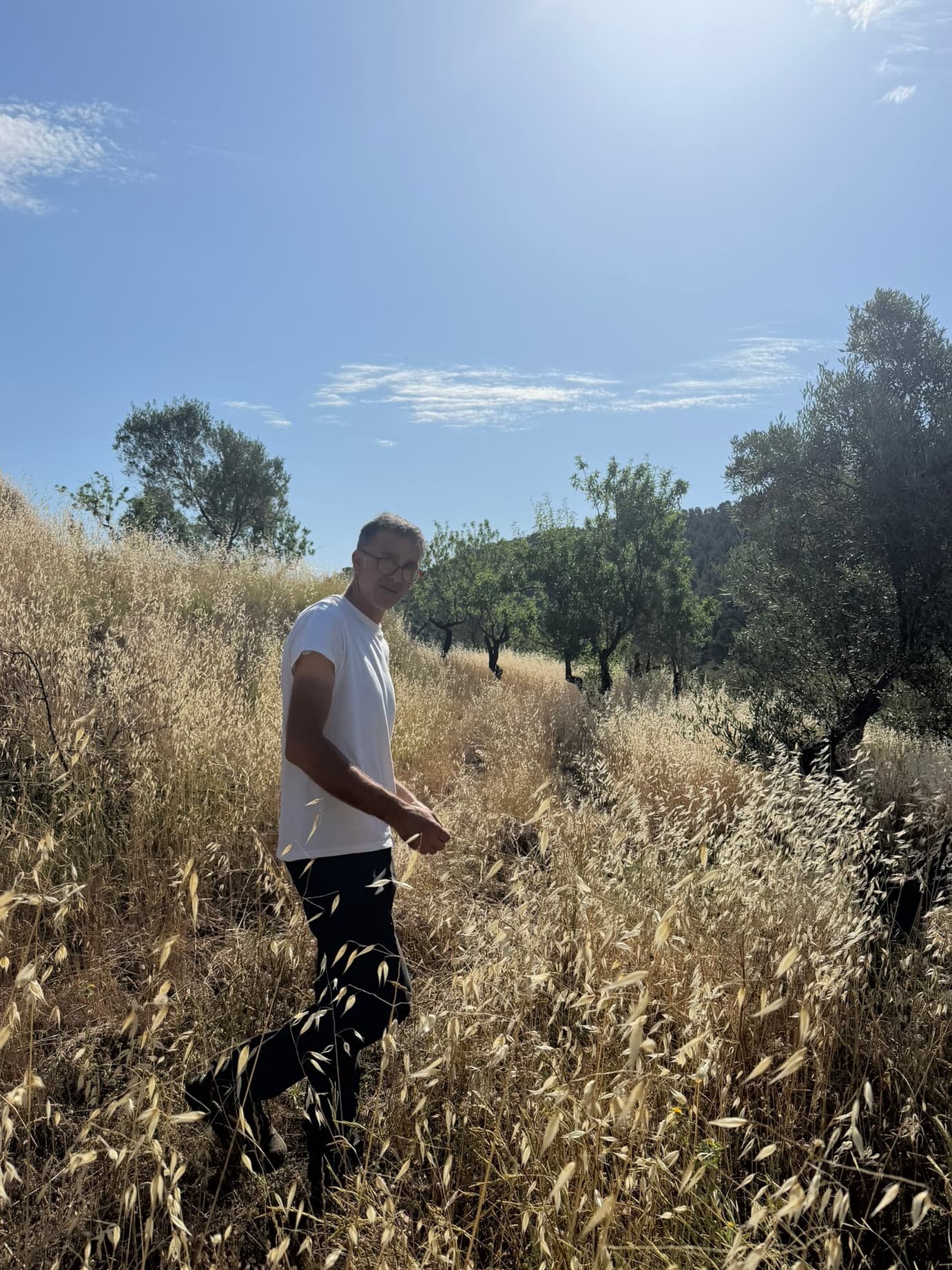
Miguel Ángel García González farms olives above Benifallim without irrigation.
Underneath his trees the ground is covered. That is the whole thing, and it is the part visitors notice last. Roots, insects, fungal networks and organic matter that holds water instead of shedding it in the first storm.
His trees are native types, the ones most producers pulled out for varieties that yield more and ripen predictably.
Why we film it
Almost nobody we film uses the word “regenerative”.
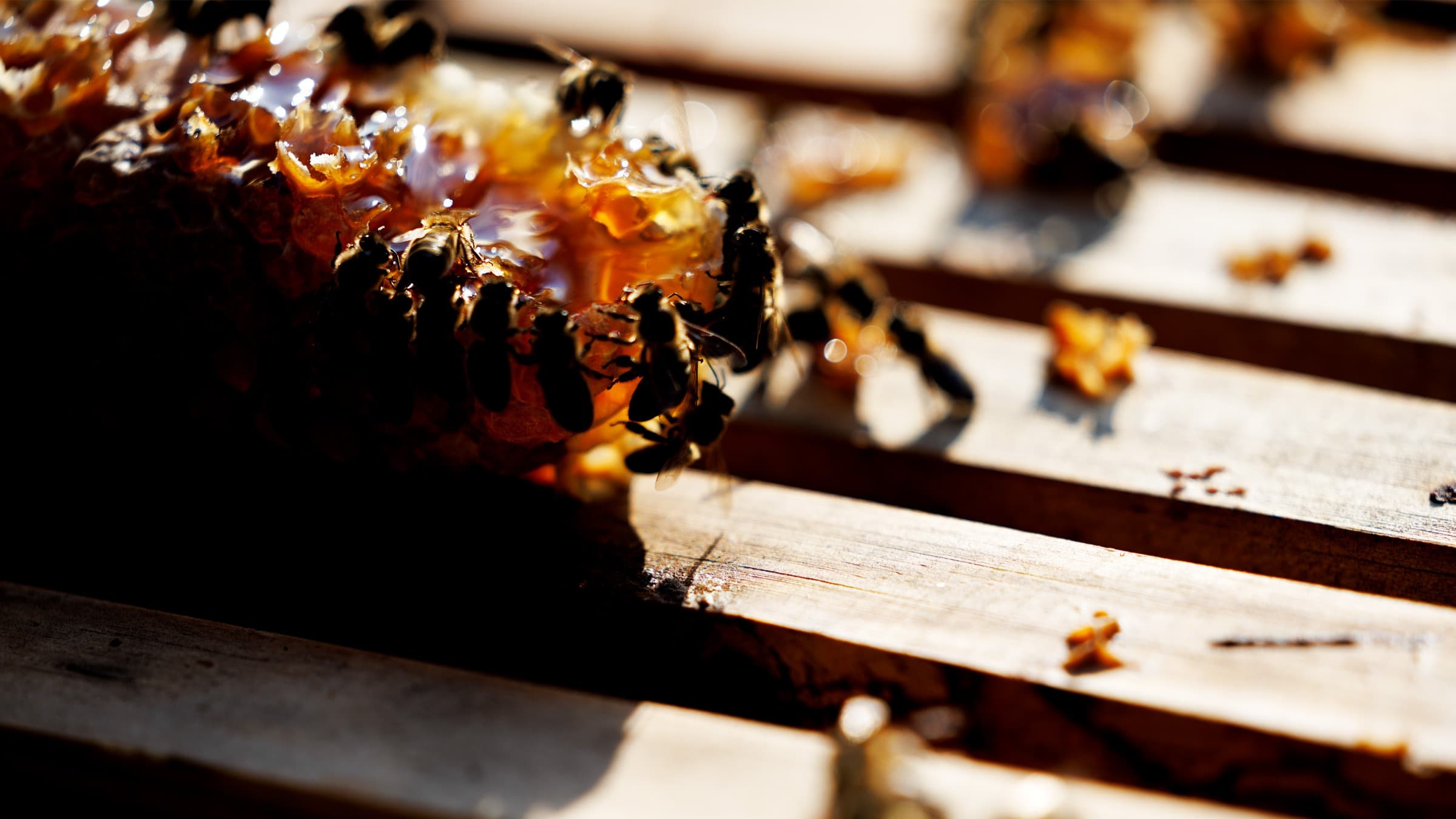
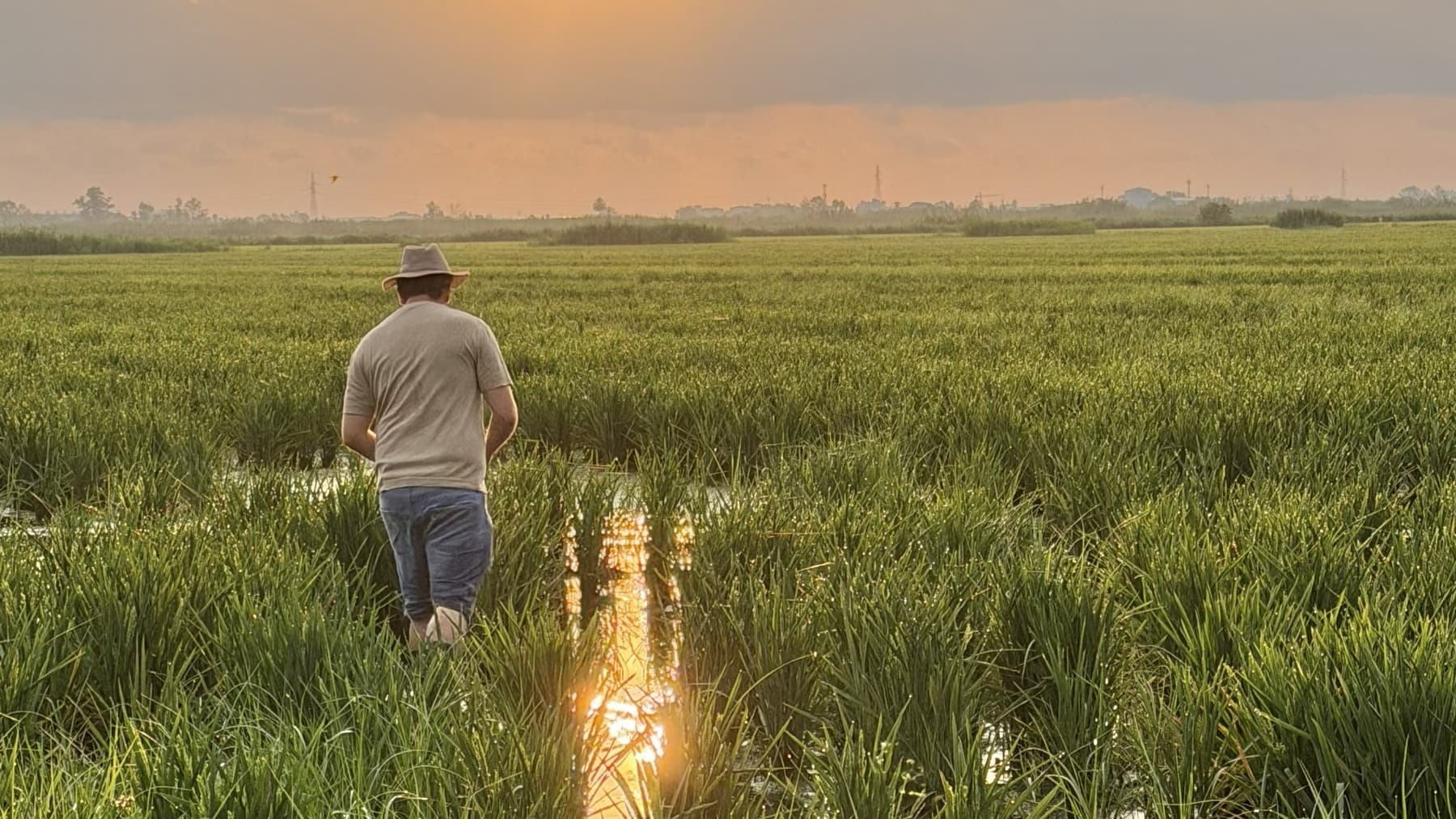
Eduardo would tell you he keeps bees. Miguel Ángel would say he looks after his family’s trees. Vicent would say he grows rice. The vocabulary belongs to conferences and the practice belongs to people too busy to attend them, which is roughly the definition of a gap worth filming.
I would rather show you a hillside than define a term. If we are going to use the word, though, it should mean something specific. It means the soil and nature is in better condition than it was.
This is the thinking behind the Four Pillars of Taste of Happiness. The Soil is the first of them.


 12 April 2026
 3 May 2026
 18 May 2026