Taste of Happiness

18 May 2026 · By Anna Drozdowska

What you are actually driving through

I have done that drive hundreds of times. Out of Xàbia, past the shoulder of the Montgó, inland through Pego, then either north towards the Safor or west into the mountains where the road narrows and the villages get very small.
The FireThe Seeds
What you are actually driving through
Most people cross this landscape in about an hour, on the way to somewhere else.
I have done that drive hundreds of times. Out of Xàbia, past the shoulder of the Montgó, inland through Pego, then either north towards the Safor or west into the mountains where the road narrows and the villages get very small.
Then I started meeting the people working in it. Now I cannot make that journey without seeing four different agricultures stacked into a distance you could cycle in a morning, each one solving a different problem.

It starts in water

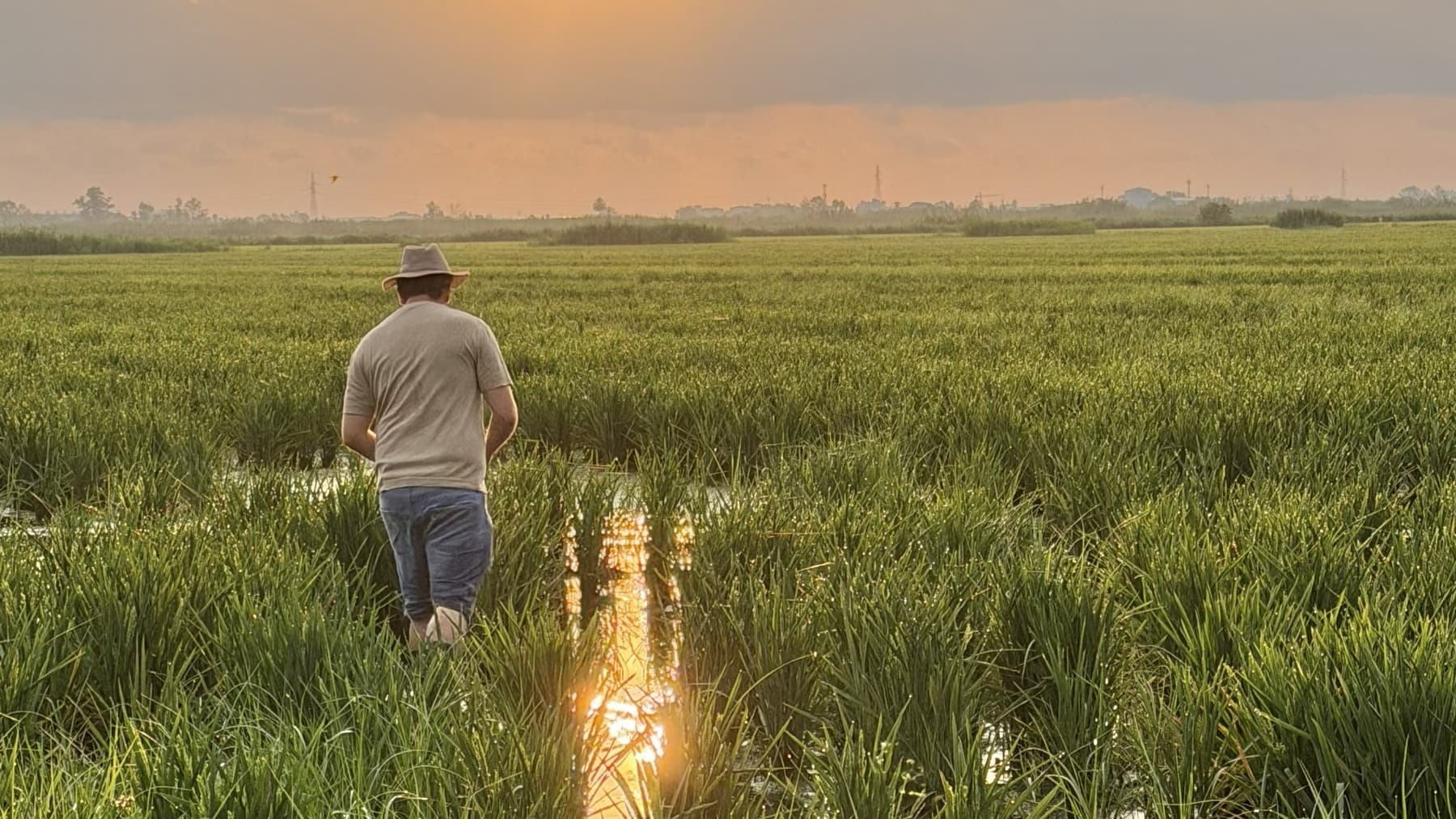
Behind the beach at Oliva the ground goes soft and stays soft for kilometres. The Pego-Oliva marsh is a protected wetland and it is farmed, which makes people uneasy until they see it.
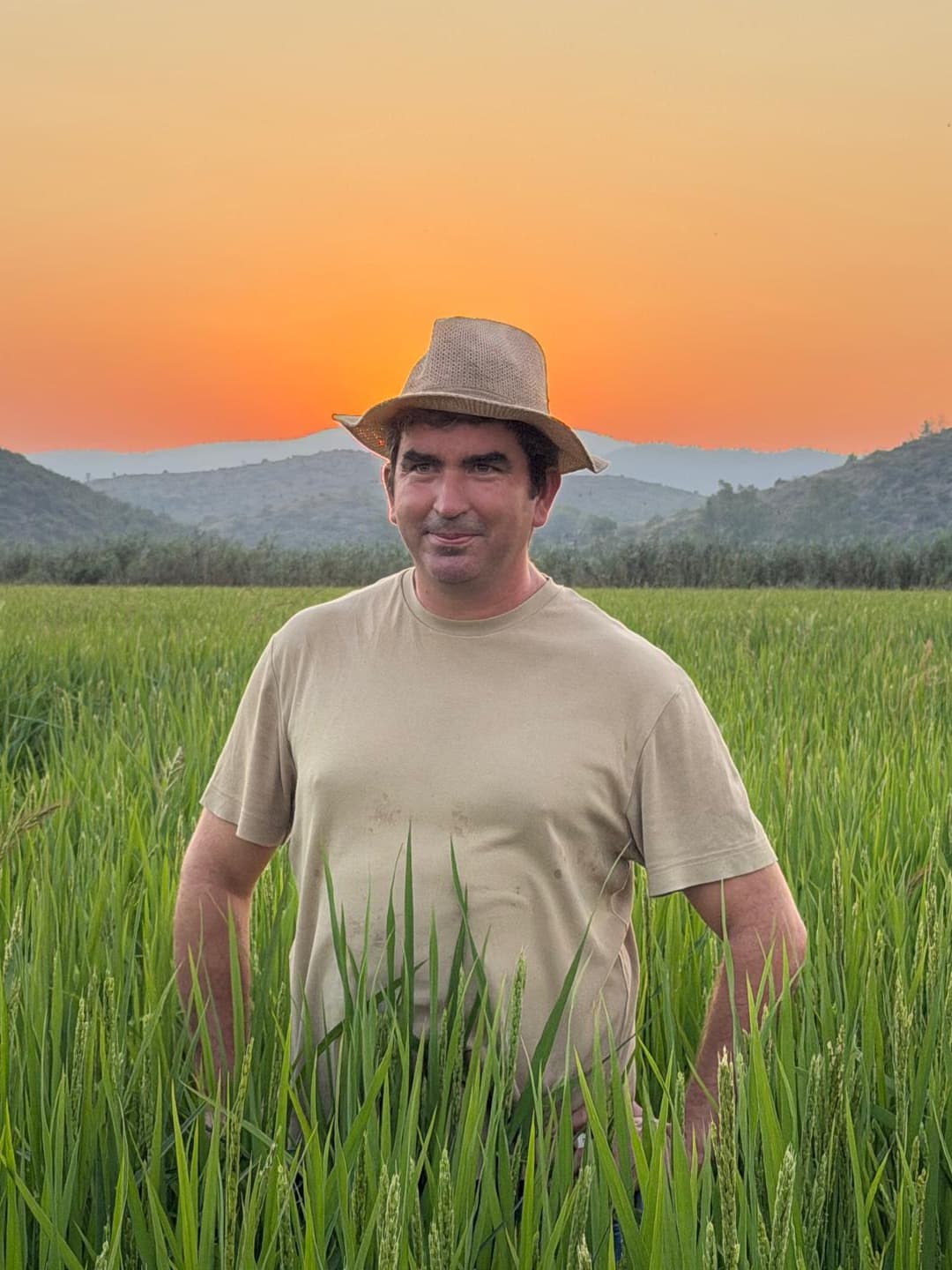
Here the Domínguis family grow bombó, a rice that had not been cultivated commercially for around fifty years. It came back because somebody went asking the oldest farmers in Pego where it had gone.
The marsh is also a bird habitat, and whether it works as one depends on how it is farmed. Water held in the right way at the right time is what keeps a wetland wet. The rice is the reason anyone holds it.

Then it goes vertical

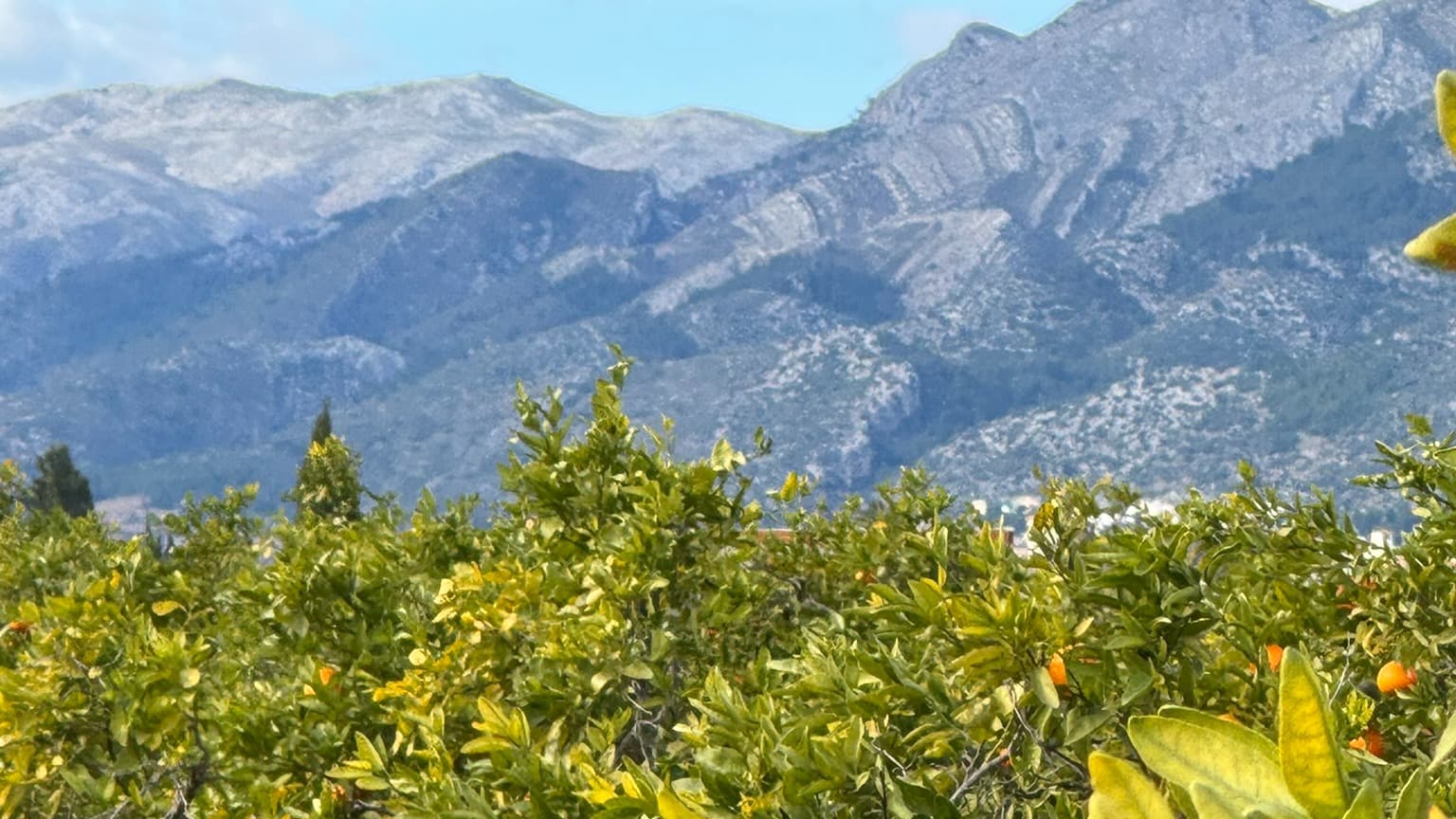
The Montgó rises out of the coast at the other end of the same short road. Limestone, thin soil, wind off the sea, and around 650 recorded plant species, which makes it one of the richest botanical sites on this coast.
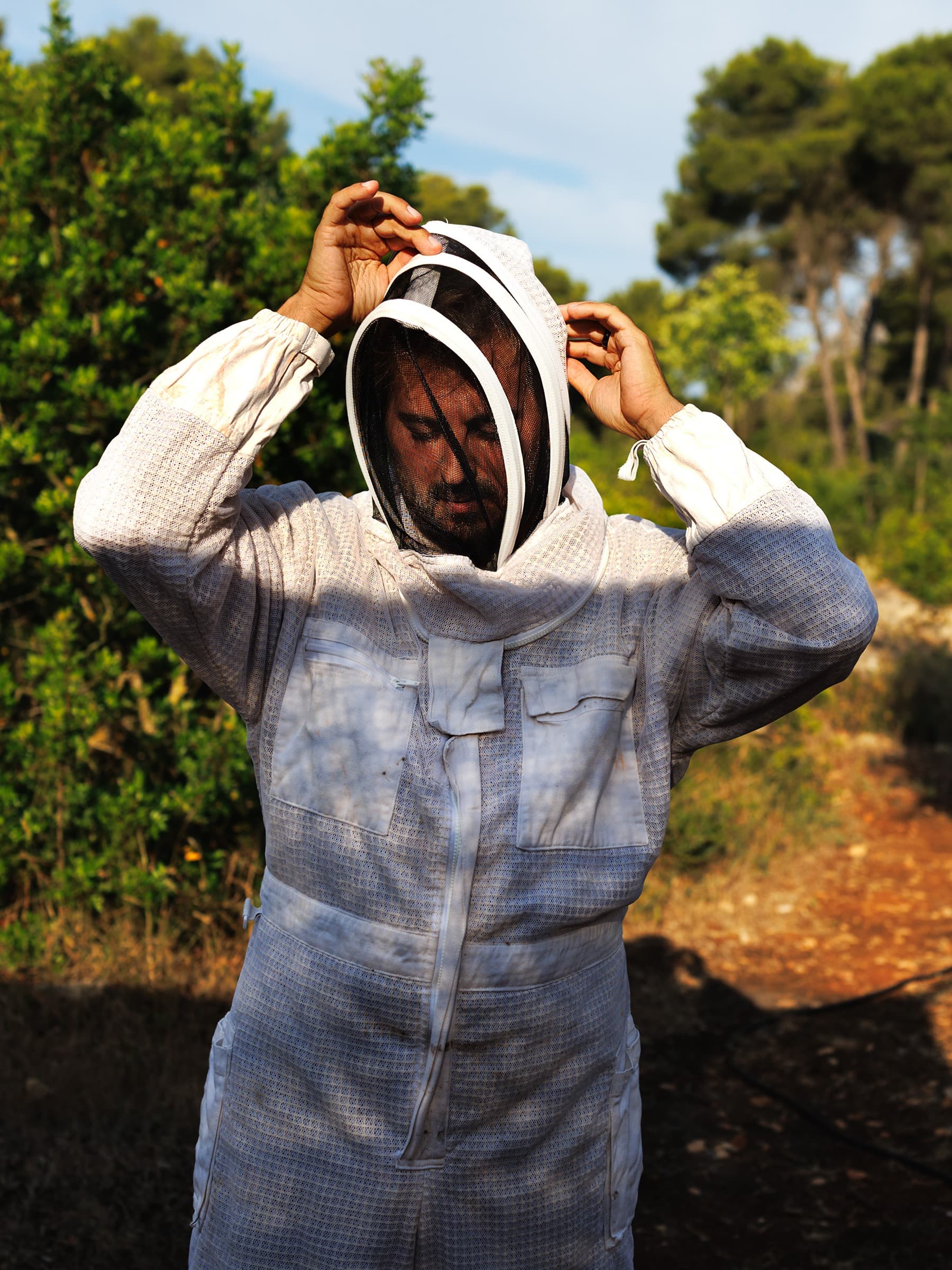
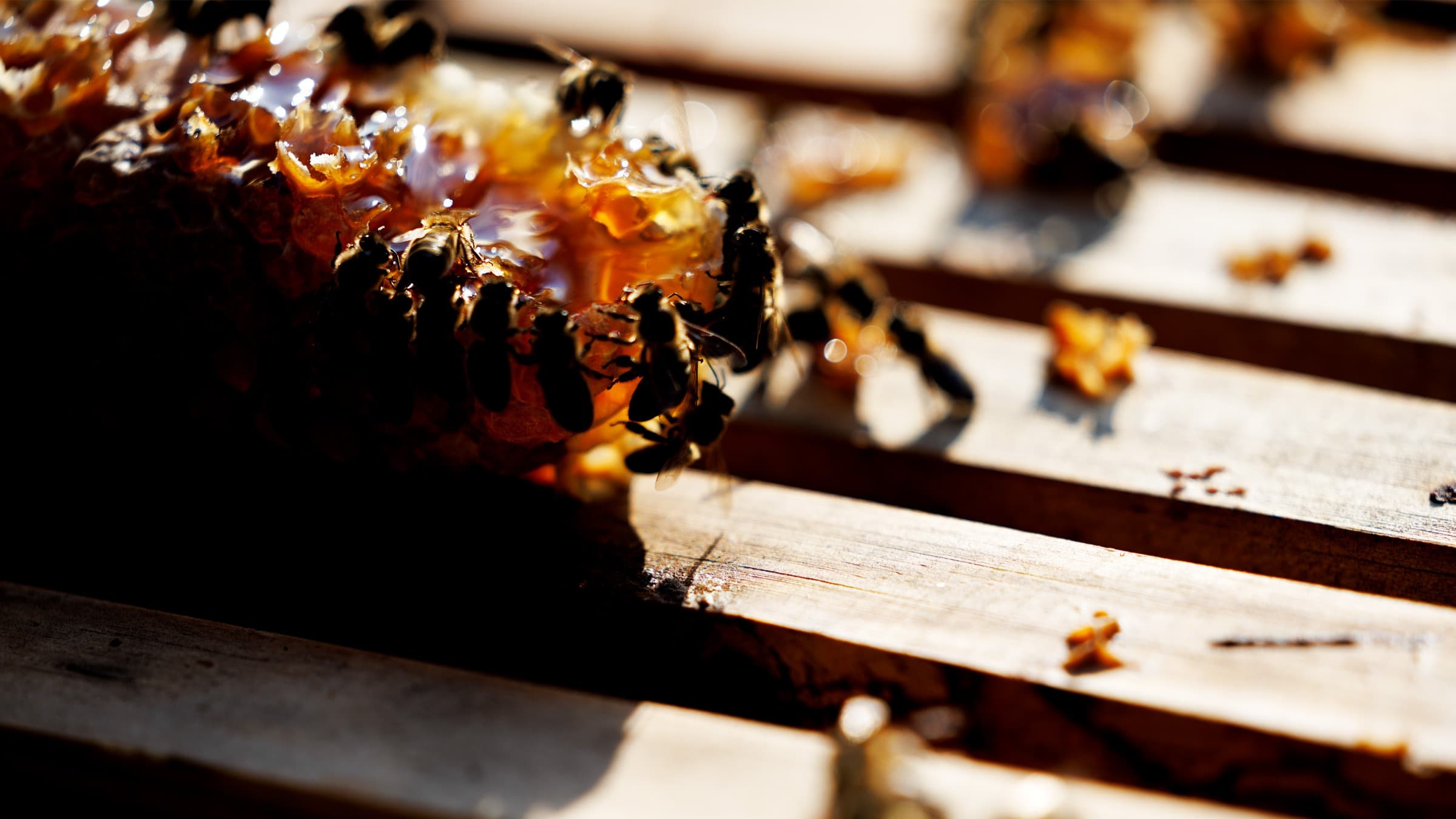
Eduardo Fernández keeps his hives on its slopes. Bees forage across a radius of about three kilometres, so his cover the mountain, and the honey is a sample of whatever flowered on it that year.
He can taste which species came back this spring and which ones did not. A shelf of jars and a palate trained on one mountain.

Then the stone

Go inland and the land stands up. Above Llíber and through the Vall de Pop the hillsides are terraced, the walls built by hand on slopes nobody could otherwise farm. Most were abandoned when the economics stopped working.
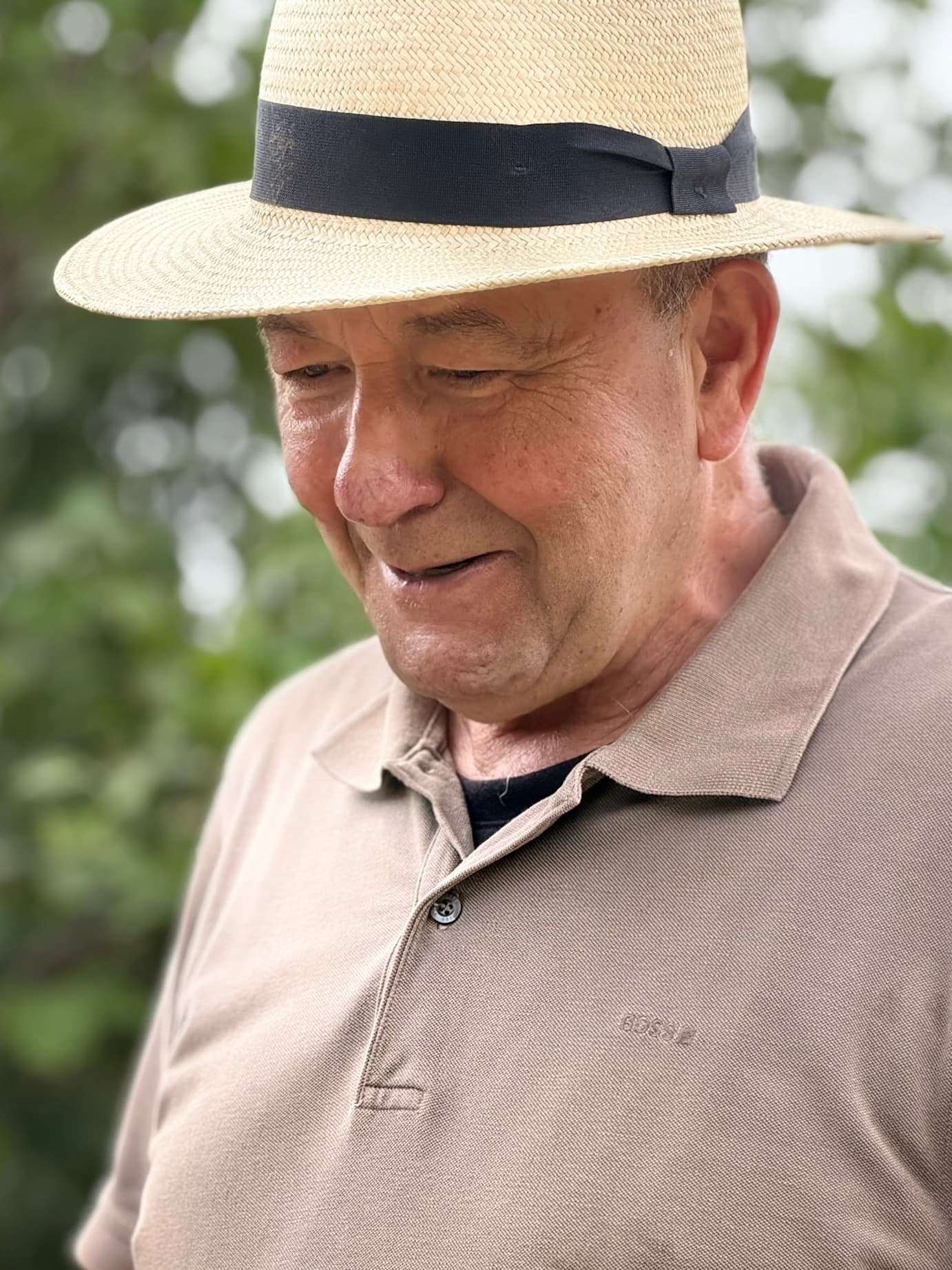
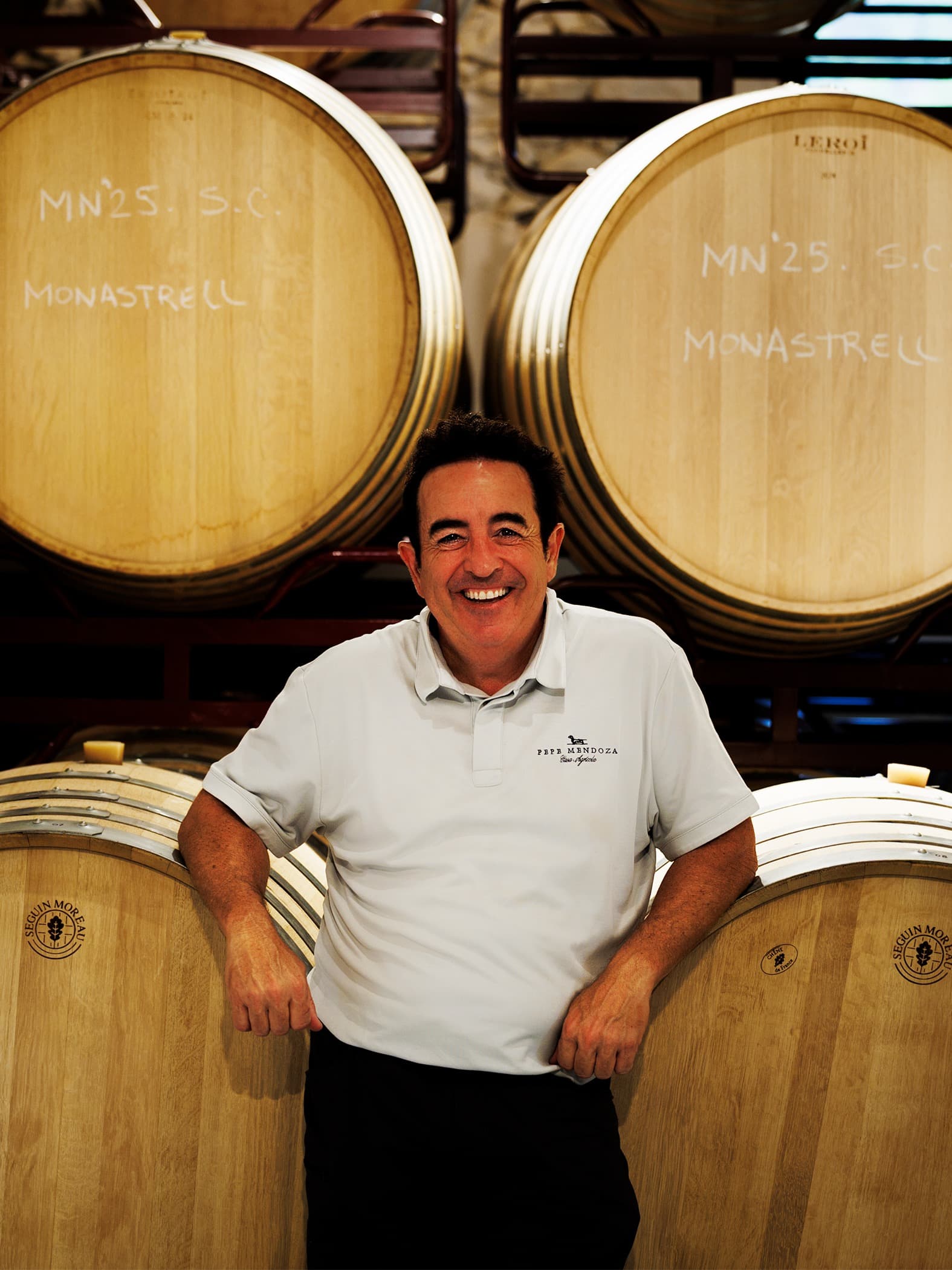
Pepe Mendoza went back up. He left international-style winemaking at his father’s bodega to dry-farm those old terraces by hand, on native vines that in places were planted a century ago
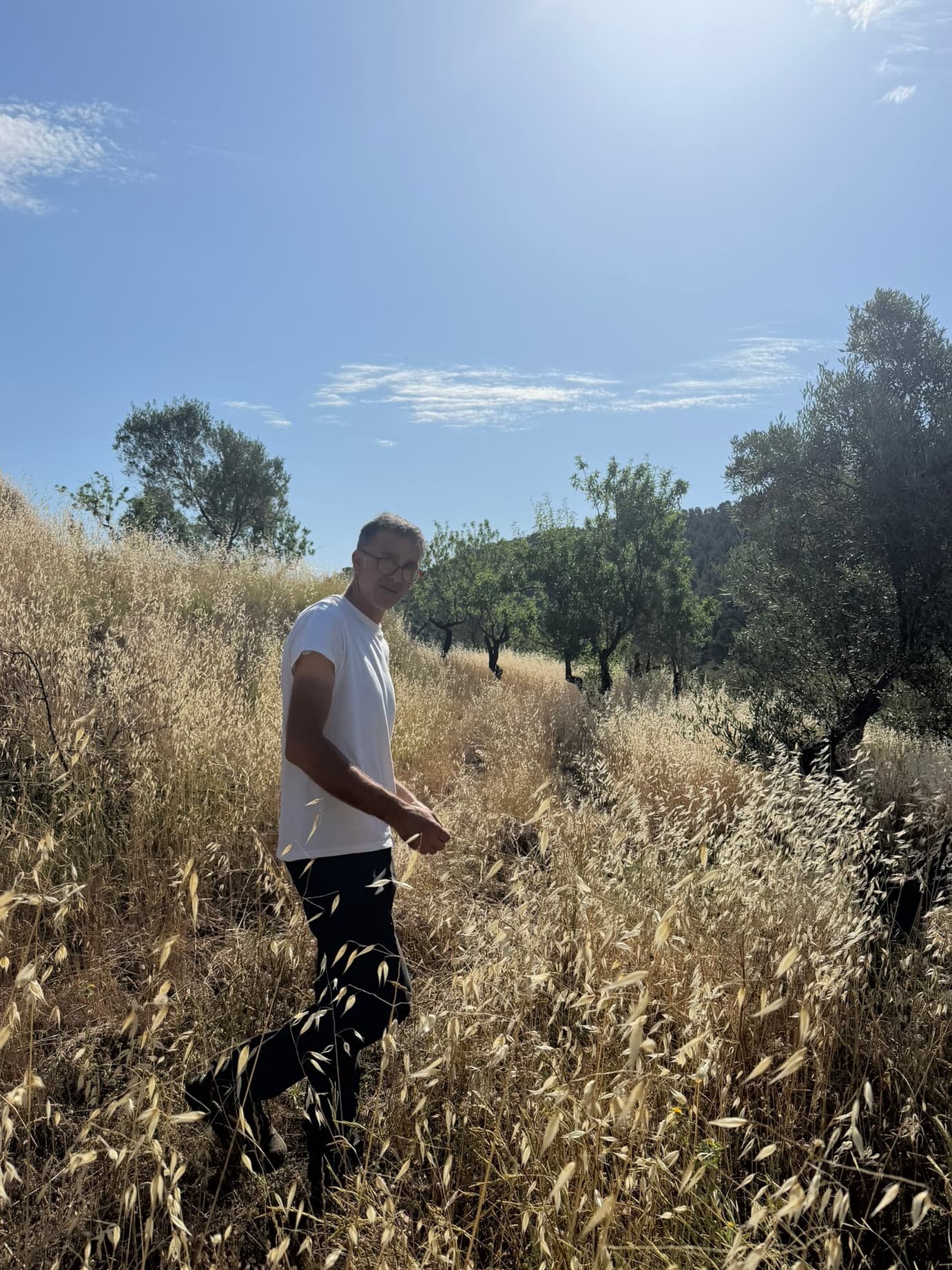
Further west, above Benifallim, Miguel Ángel García González is doing the same thing with olives. He left a career in graphic arts, went back to his family’s mountain groves and rebuilt them without irrigation, on native olive types most producers replaced decades ago.
The land nobody wanted turns out to produce what nobody else can.

Then the collection

North of all of this, in Palmera, Vicente Todolí keeps more than four hundred citrus varieties alive. He ran Tate Modern in London for 15 years. Now he curates fruit, and the method has not changed as much as you would expect. Most of those varieties have no commercial future, which is exactly why he has them.

And it ends in fire

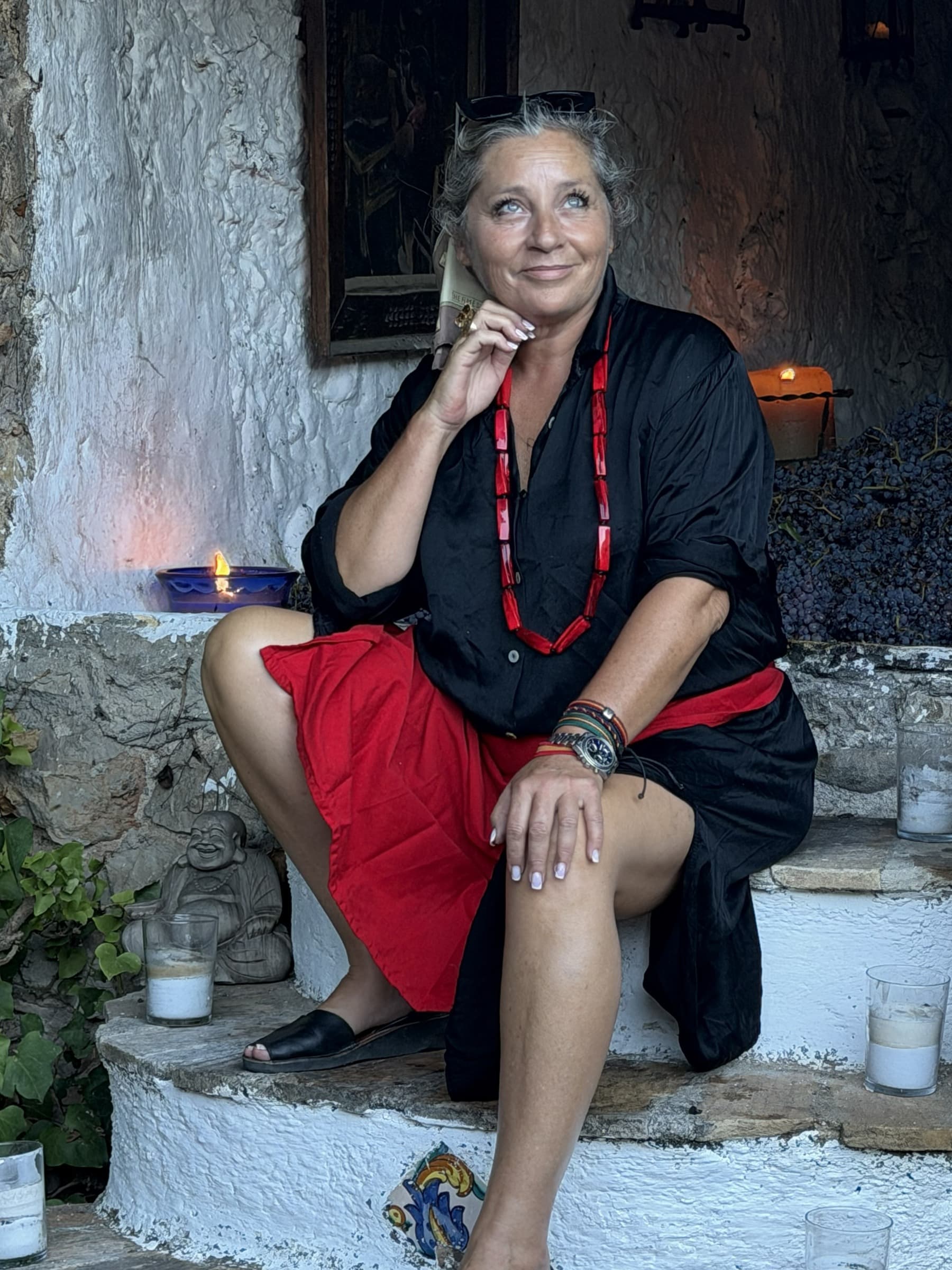
At Maserof, above Xaló on the road up to the Sierra de Bernia, Carolina Pateman Ivars runs a house with no electricity. The kitchen cooks over wood. Every September the grapes are trodden by foot, by candlelight, into a Roman basin.
In Dénia, Pep Romany cooks over oak and bakes his cocas from heritage wheat recovered by the Blat de la Marina project. He calls himself an artesà, and he means it as an argument about where a dish begins.
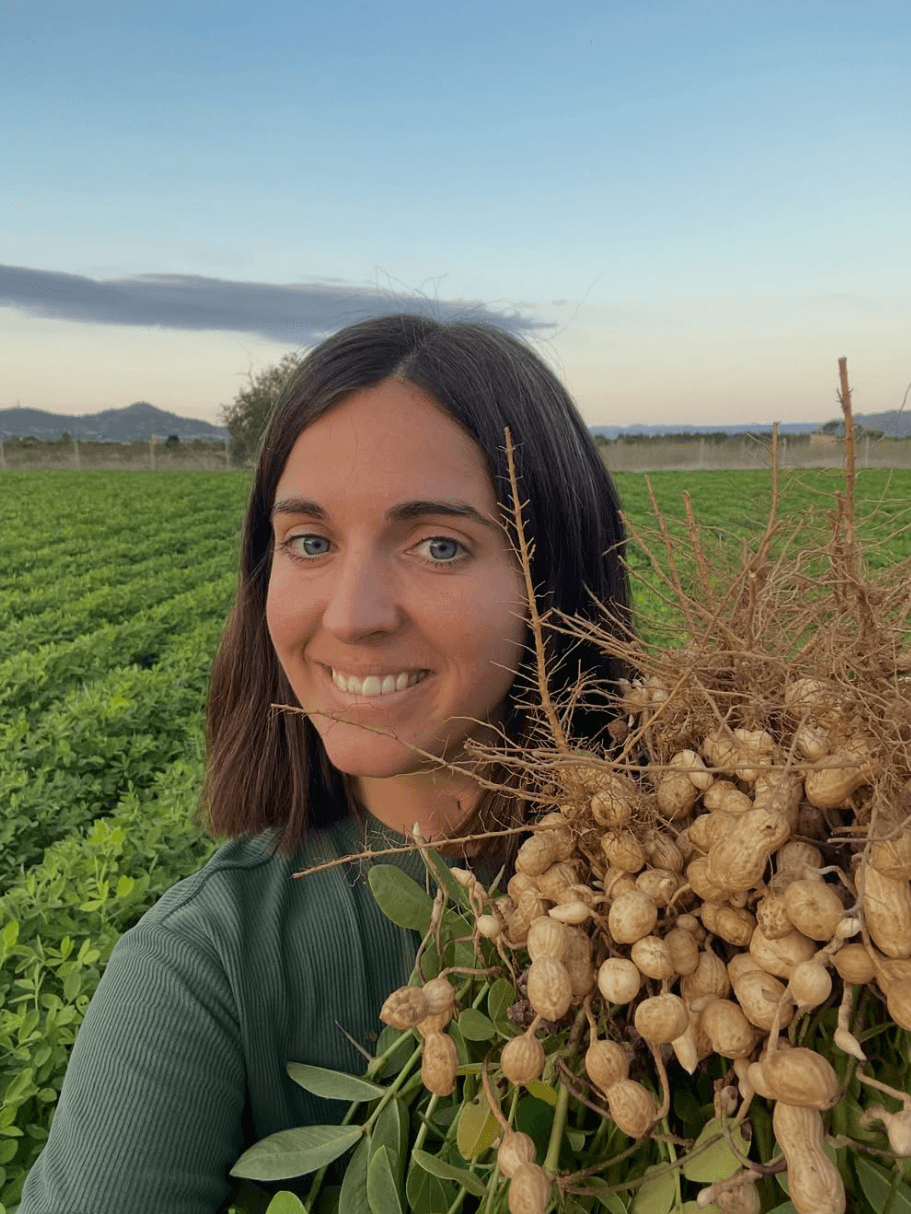
Beyond all of it, in La Granja de la Costera, Ana Climent grows local varieties of peanuts - cacau del collaret from seed her family has kept for a hundred years.

Why it matters that these are close together
Any region can show you one interesting producer. What is unusual here is how much sits inside a distance most people cross without stopping. Wetland rice. Mountain honey. Wine off dry terraces. Oil grown without irrigation. A citrus collection. A Roman winery. A recovered wheat. A native peanut.
Nobody planned this. It survived in fragments, kept going by individual people who each decided separately that what they had was worth the extra work.
Next time you drive it, you are crossing four agricultures, several protected areas and a good number of varieties that came very close to not existing.
The Food Heroes of Season One are here.