
3 May 2026 · By Anna Drozdowska
The season nobody films
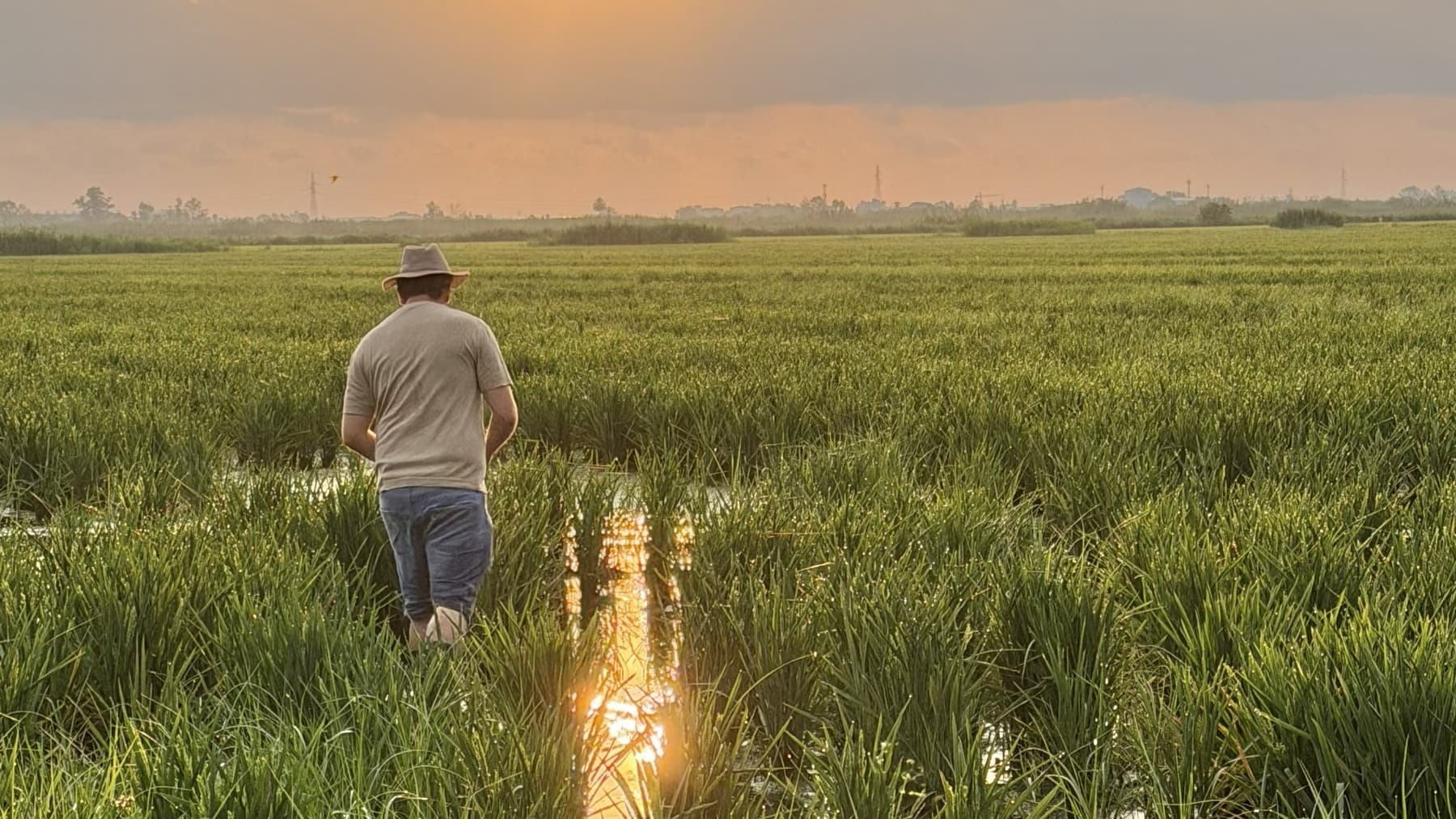
August is the month when the least is happening in the fields here. The vines are waiting. The olives are small and green and months away. The citrus is invisible. The rice is standing in water doing nothing anyone can see. It is hot enough that sensible work stops at noon.
January and February
March, April, May
June, July, August
September
October and November
December
What the calendar is saying
Featured Food Hero
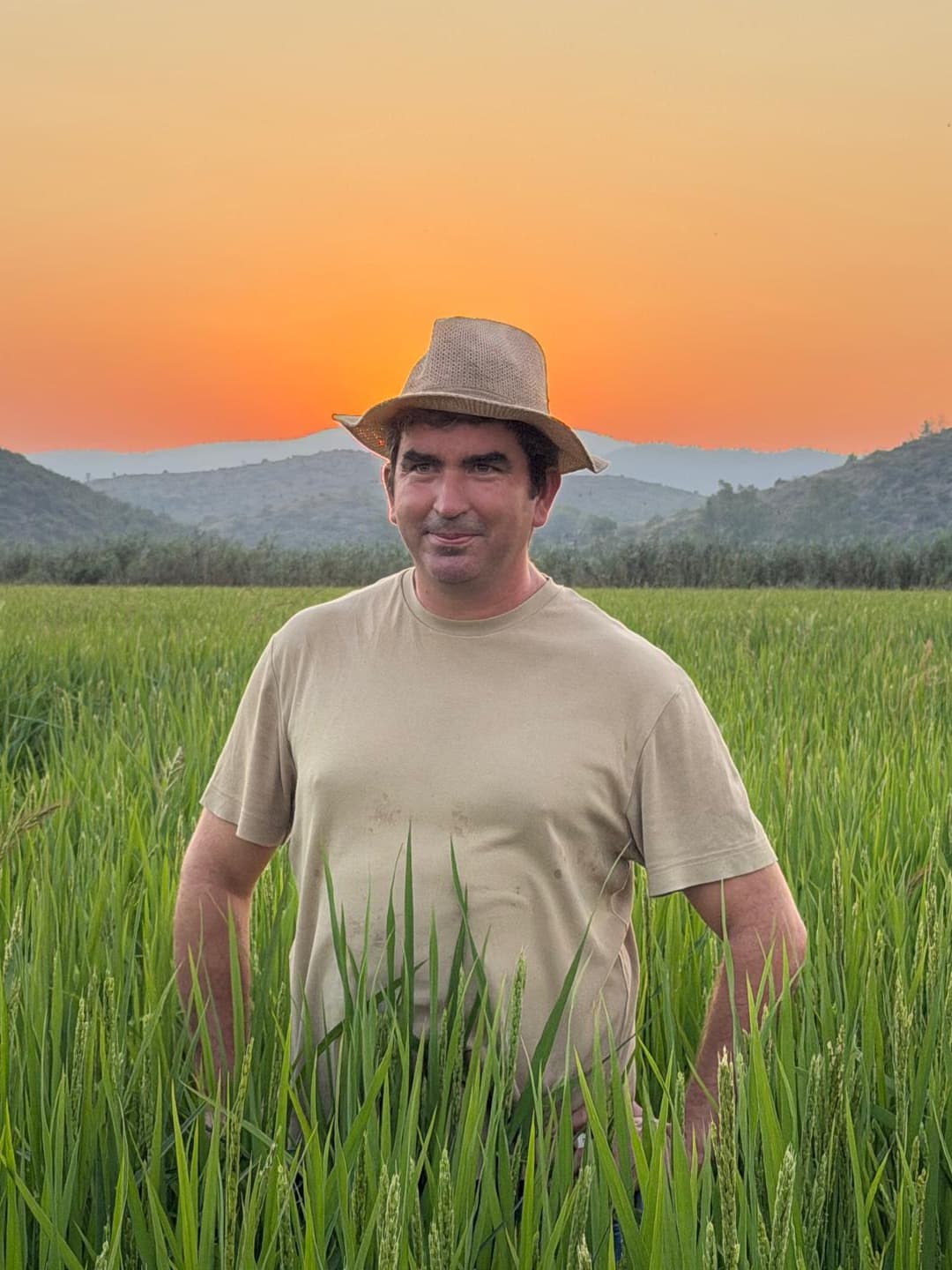
Vicent Dominguís
Rice farmer
View Food Hero profile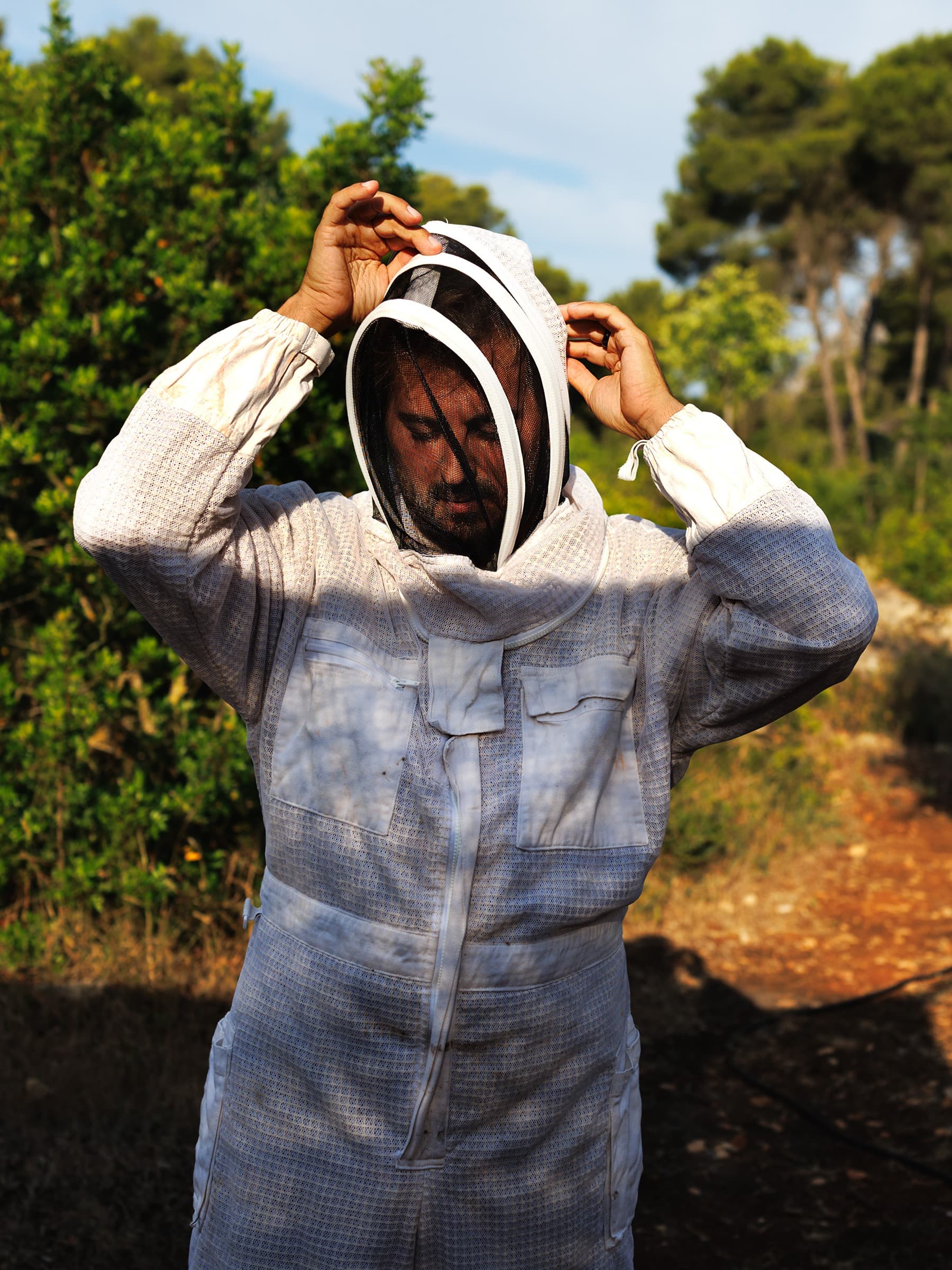
Featured Food Hero
Eduardo Fernández
Beekeeper & apitourism pioneer
View Food Hero profile
Featured Food Hero
Vicente Todolí
Citrus biodiversity custodian
View Food Hero profile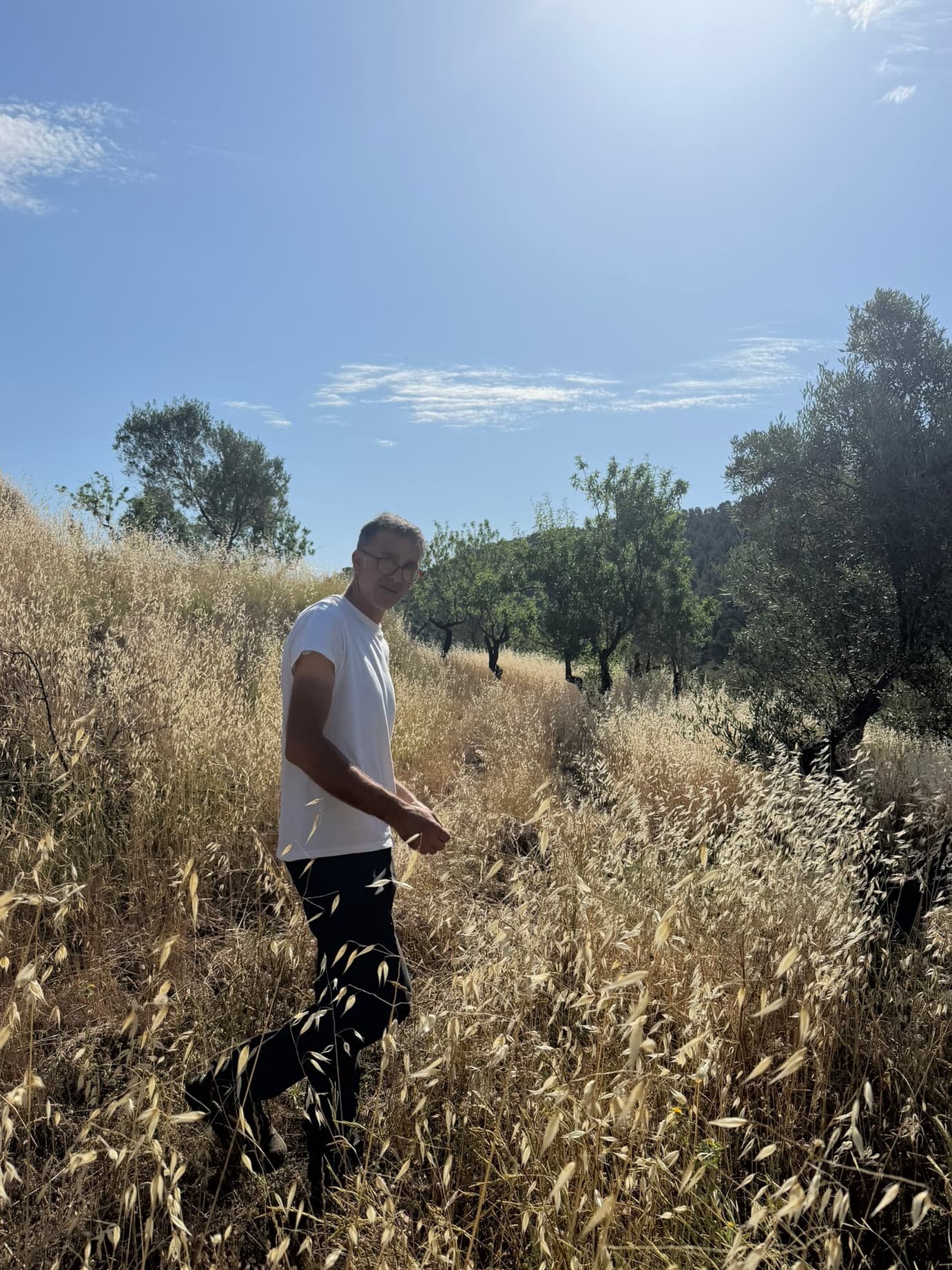
Featured Food Hero
Miguel Ángel García González
Olive oil maker
View Food Hero profile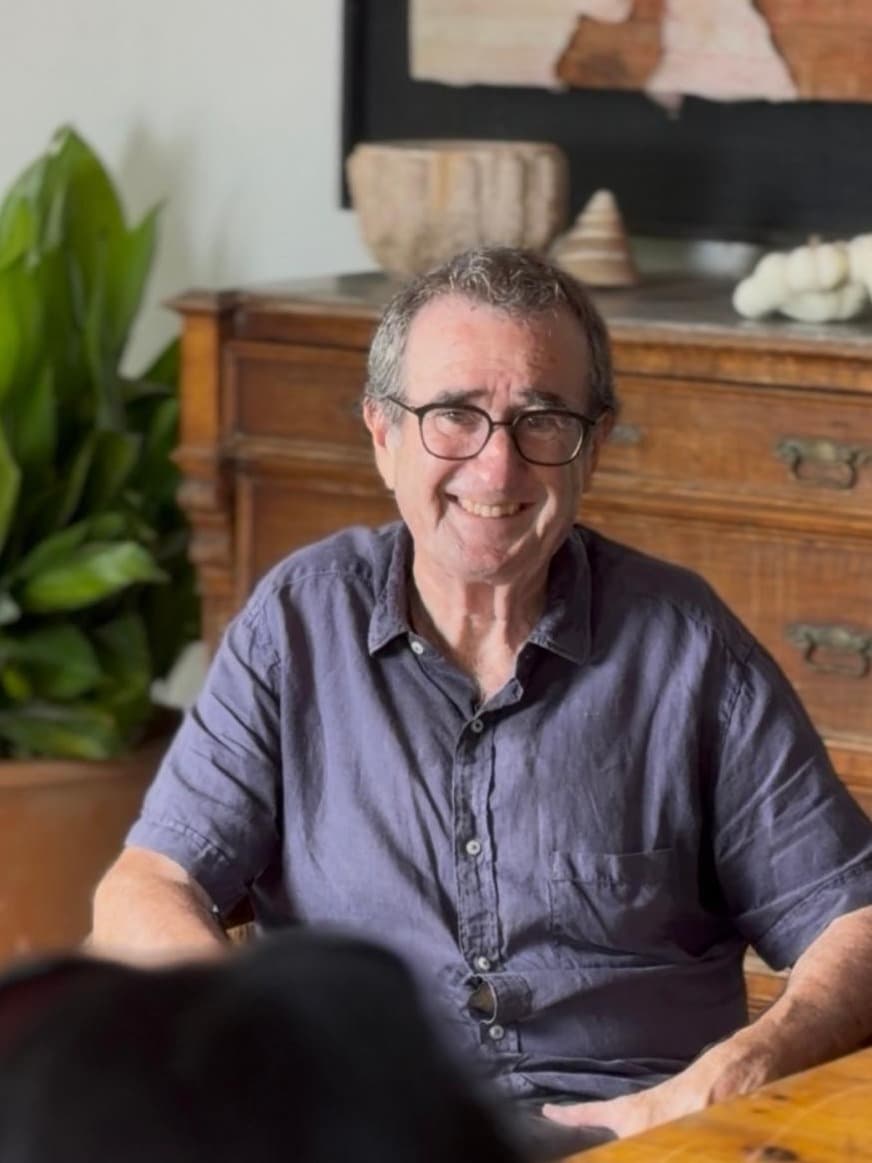
Featured Food Hero
Pep Romany
Chef-activist
View Food Hero profile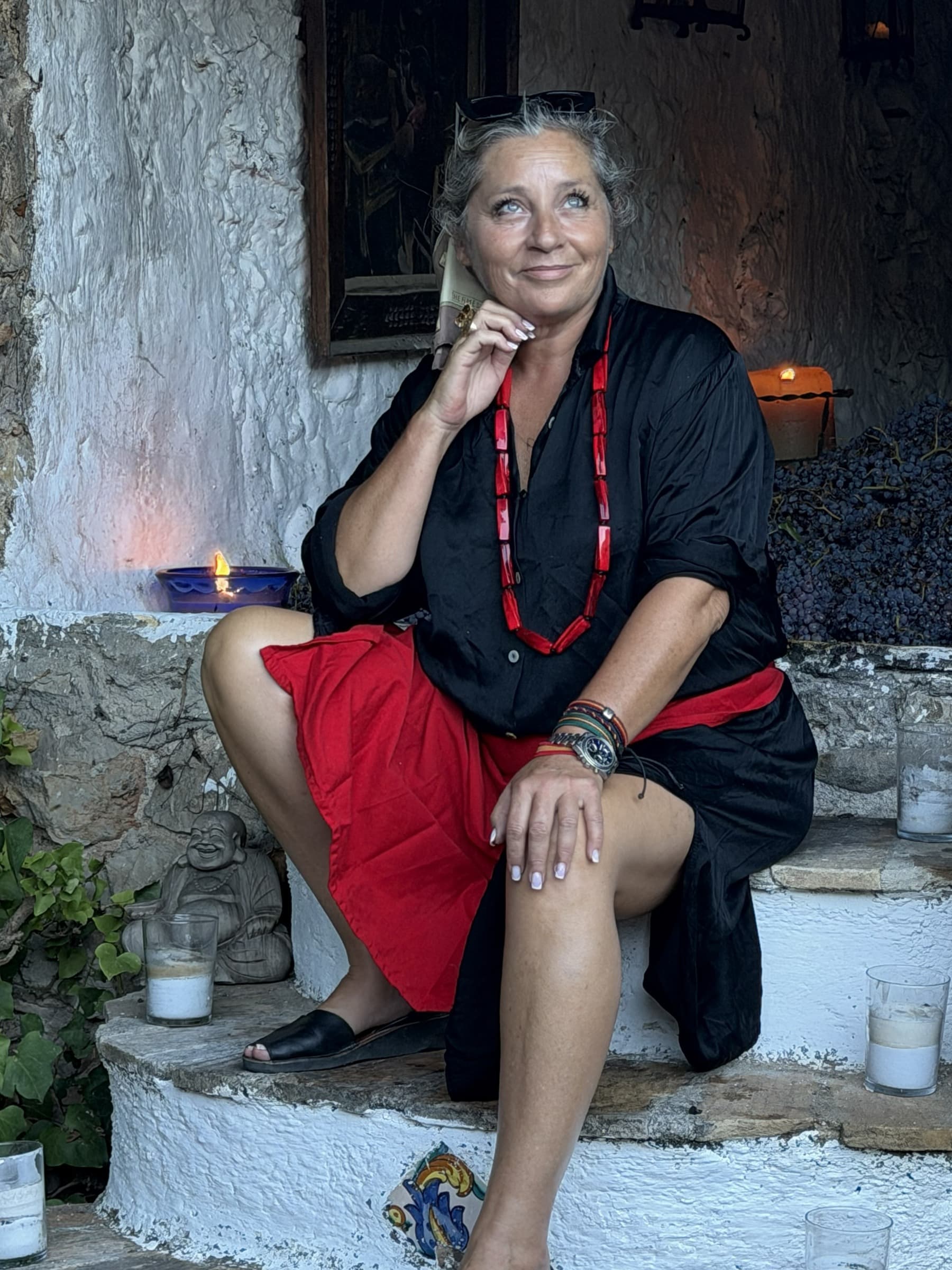
Featured Food Hero
Carolina Pateman Ivars
Keeper of a living Roman winery
View Food Hero profile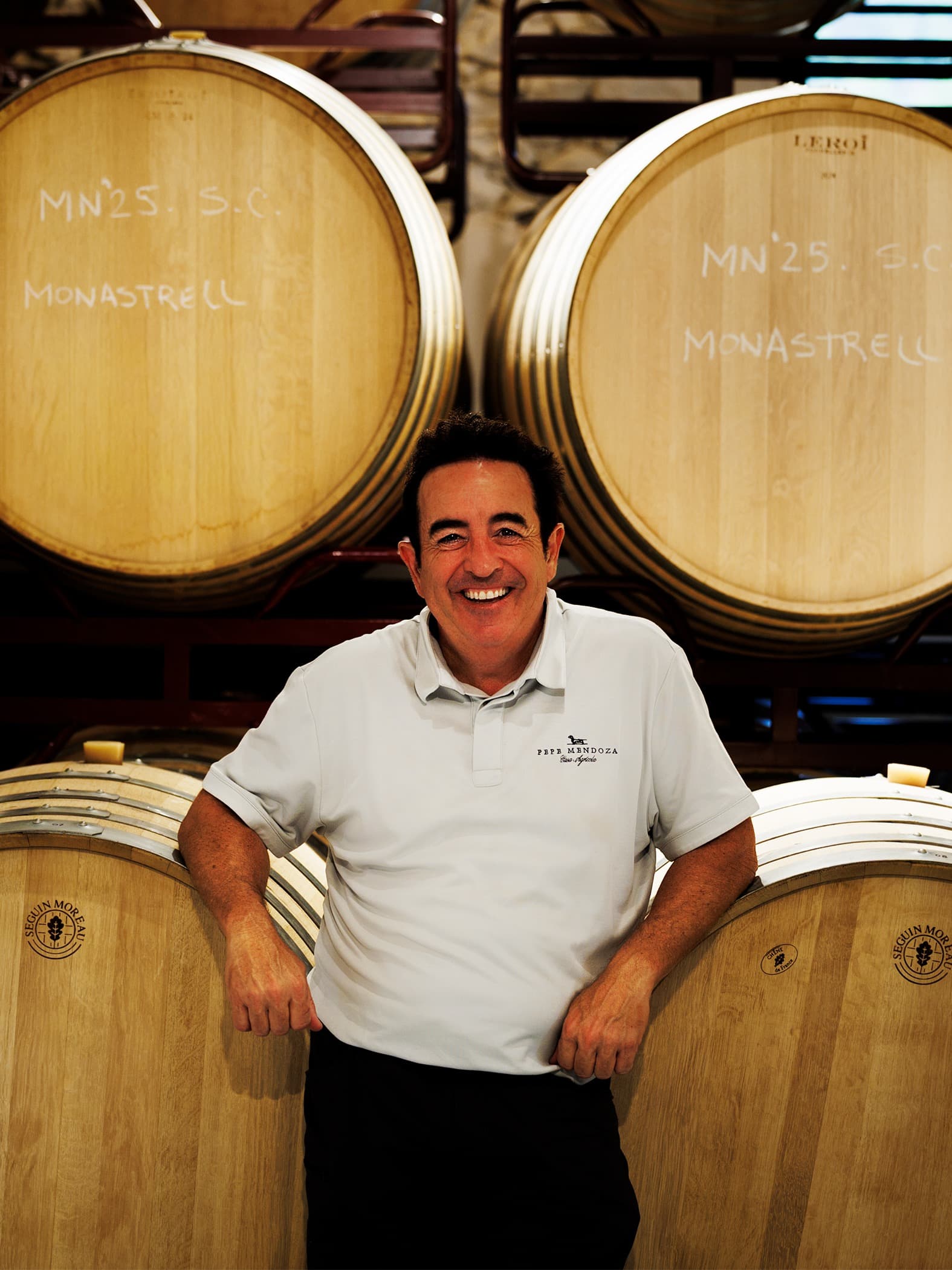
Featured Food Hero
Pepe Mendoza
Winemaker
View Food Hero profile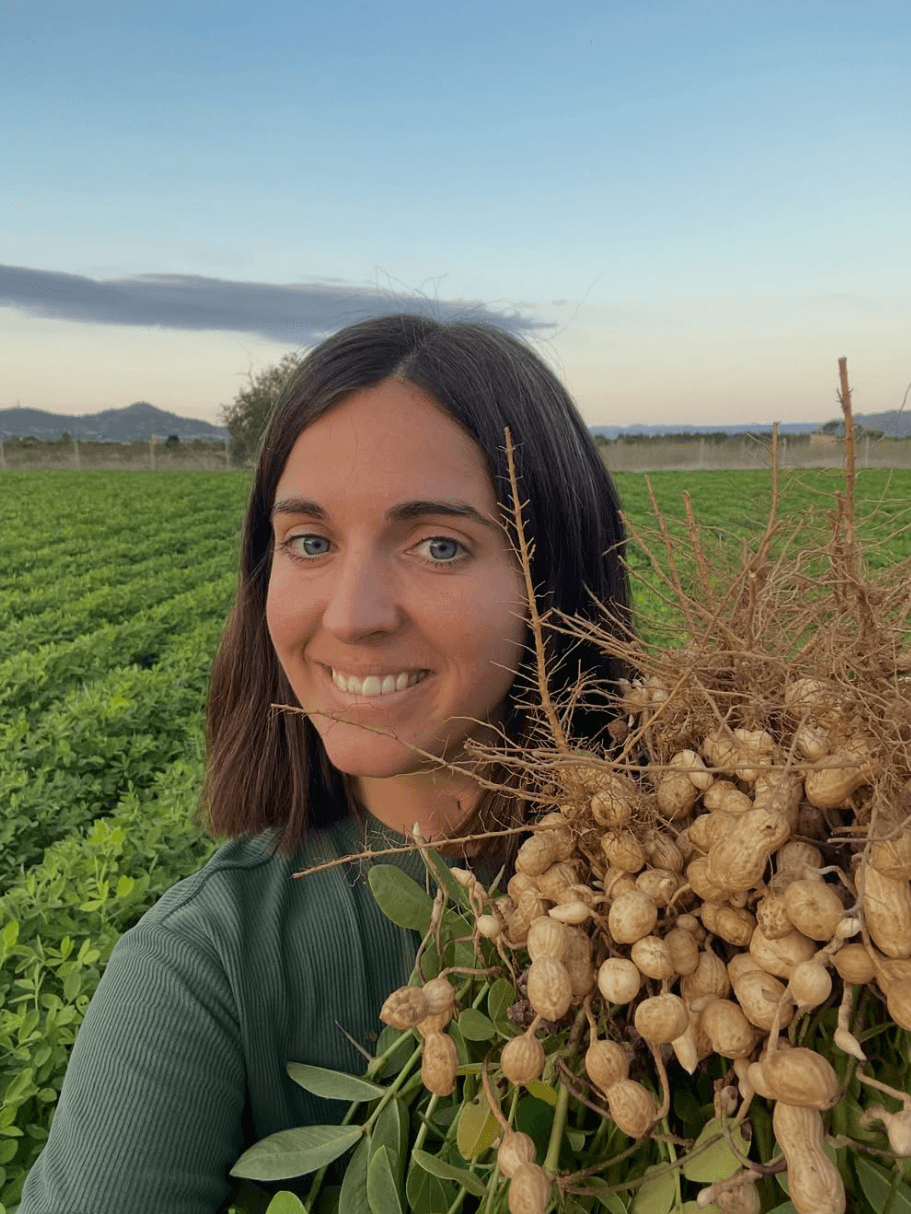
Featured Food Hero
Ana Climent
Heritage peanut seeds guardian
View Food Hero profileRecent posts
Latest field notes
and inspiration.
 12 April 2026
The most botanically crowded mountain in Europe
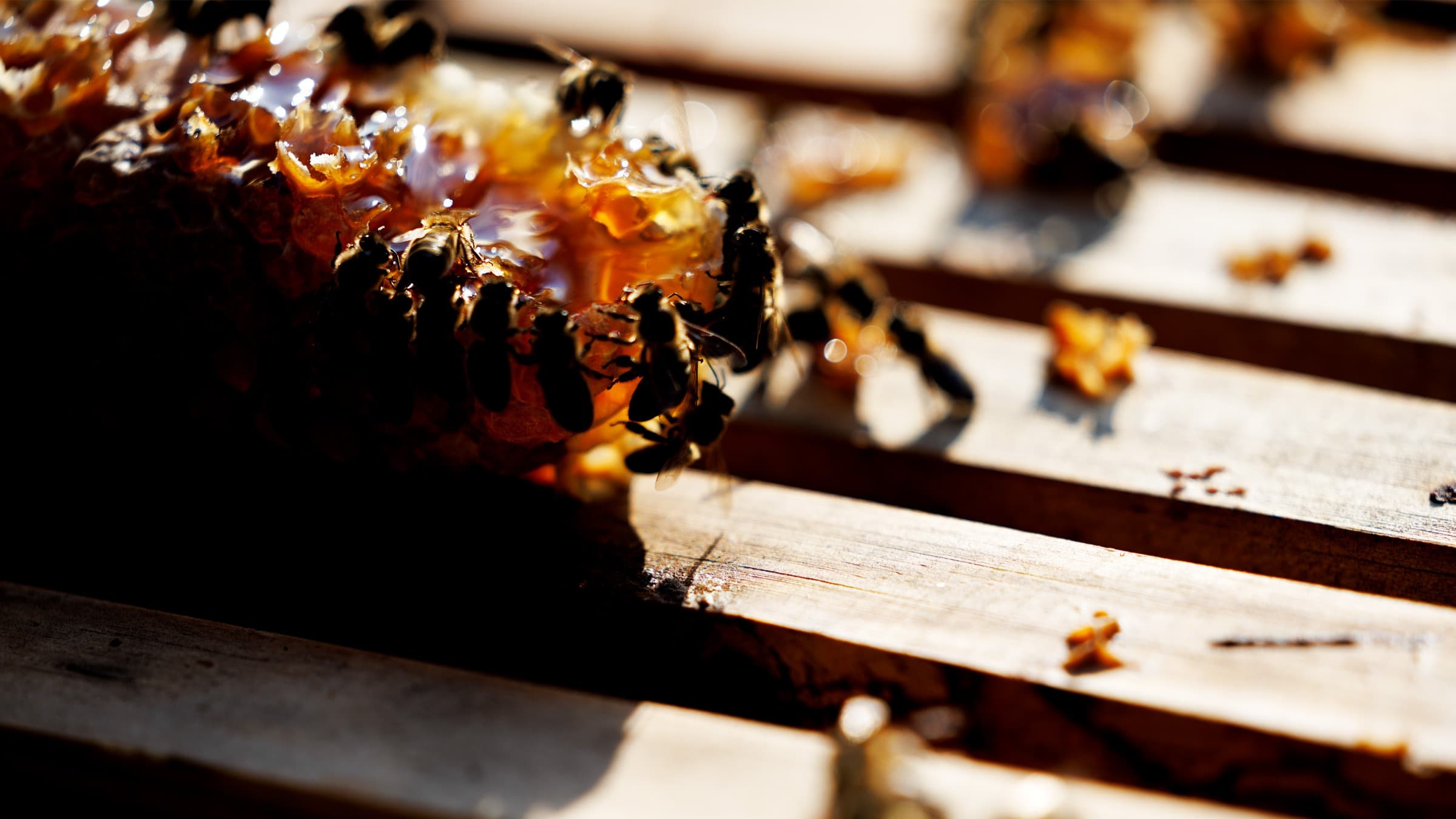
Around 650 plant species grow on Montgó. Eduardo Fernández's bees visit almost all of them. Bees fly up to three kilometres from the hive, so his colonies cover almost the whole natural park. Whatever flowers, they visit.
Learn more 26 April 2026
What regeneration is not
Regenerative is now on wine labels, hotel websites, restaurant menus, tourism strategies and skincare. It has had the same arc as sustainable. Useful term, then popular term, then a term that means whatever the person saying it needs it to mean.
Learn more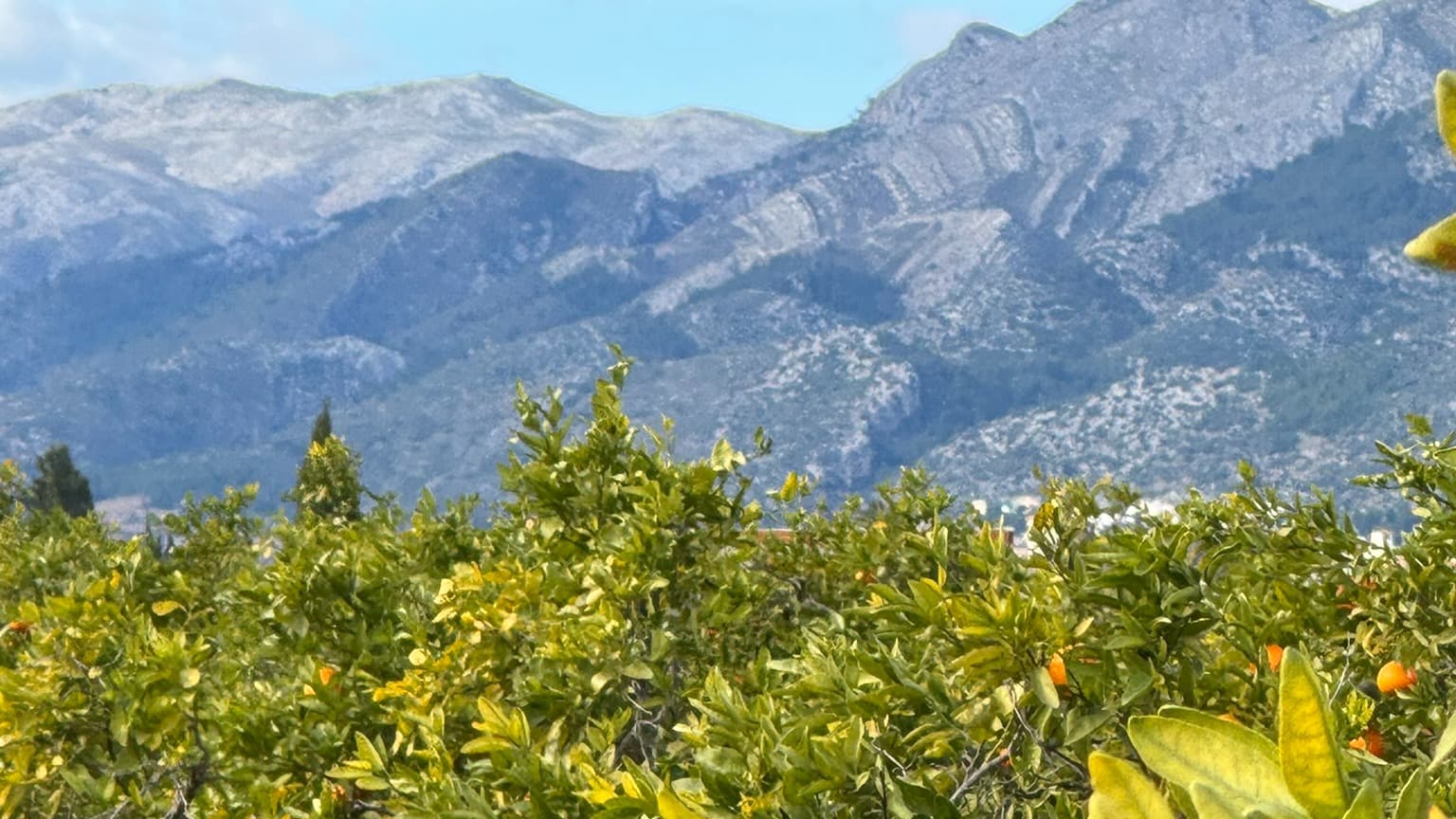 18 May 2026
What you are actually driving through
I have done that drive hundreds of times. Out of Xàbia, past the shoulder of the Montgó, inland through Pego, then either north towards the Safor or west into the mountains where the road narrows and the villages get very small.
Learn more