The rice that made Pego famous vanished in the 1960s. Somebody found half a kilo of it.
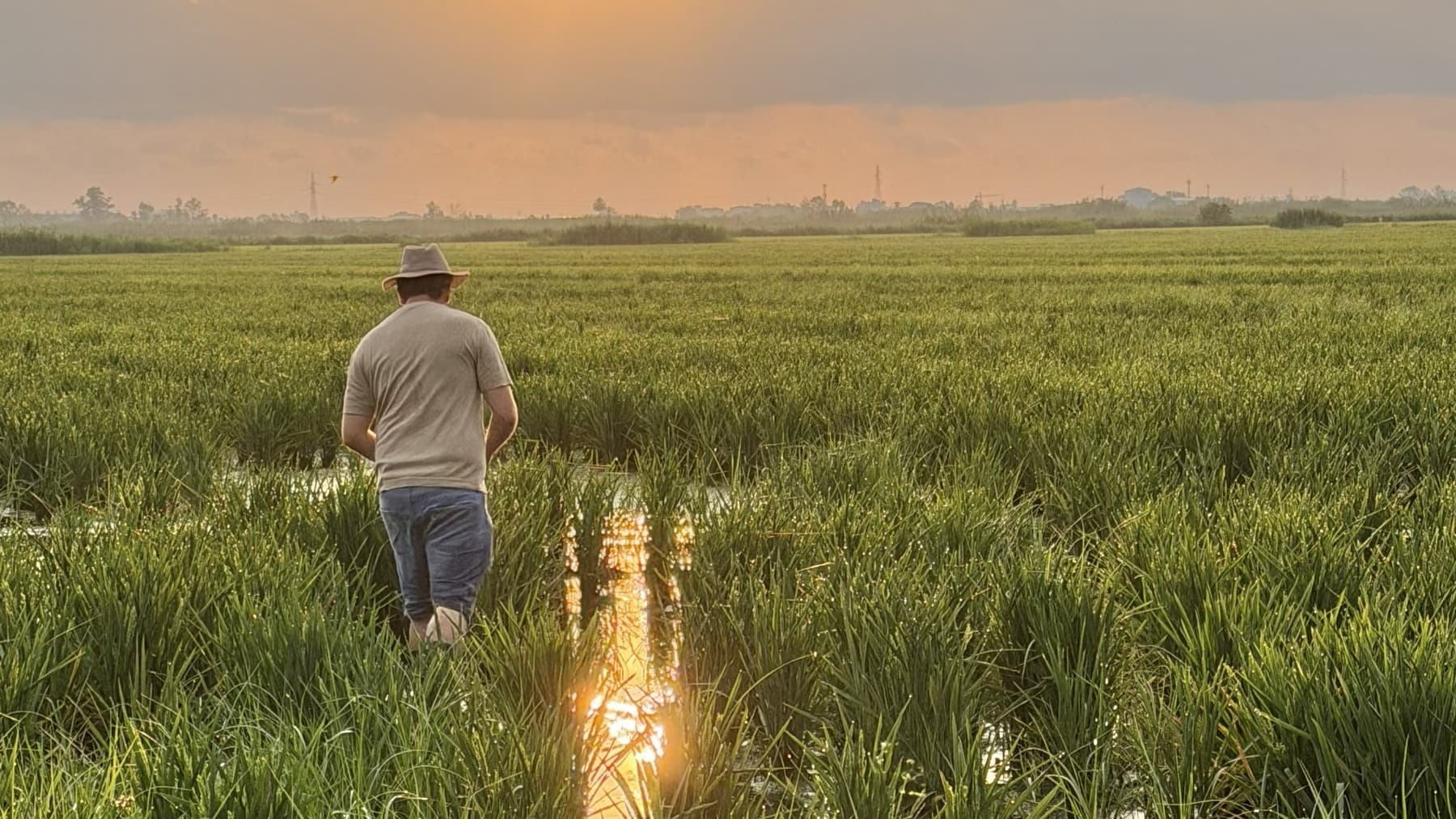
The marsh at Pego is fed by springs, which is unusual and is the whole reason any of this works. Clean water arriving from underground, a wetland sitting between the mountains and the sea, and around two hundred smallholders farming roughly ninety hectares of rice inside a natural park.
For a while it very nearly became a resort instead.
In the 1970s the marjal was abandoned. The rice went, the plots were left, and there were serious years when the future of this wetland was a development plan rather than a crop. The Generalitat declared it a natural park in 1994. Rice came back from 1995.
Arròs bombó was born in Pego. In the last decades of the nineteenth century seven rice mills in the town processed it, and it competed directly with the bomba of Calasparra as a luxury grain. It held its reputation through the 1930s and 1940s. Then Spanish agriculture went looking for yield, the plots here were too small and too divided to compete on volume, and by the mid sixties the variety was simply gone.
Half a century later, a research effort involving the Diputación de Alicante, the farmers' organisation Asaja, the university, the rice growers' cooperative and a family firm called Pego Natura went looking for seed.
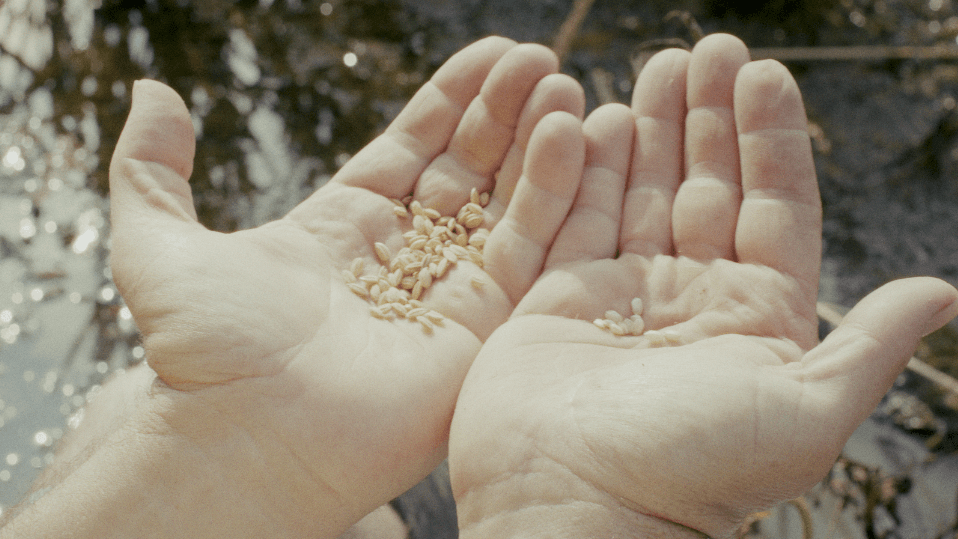
They found five hundred grams.
From that half kilo came the first seedlings, planted on four hundred square metres. Everything was done by hand: planting, cutting, bagging in raffia sacks, drying in the sun, separating grain from straw. In September 2015 they had 113 kilos of arròs bombó. The following year, on eight thousand square metres, they had two thousand.
Those 113 kilos are more impressive than anything that has happened since.
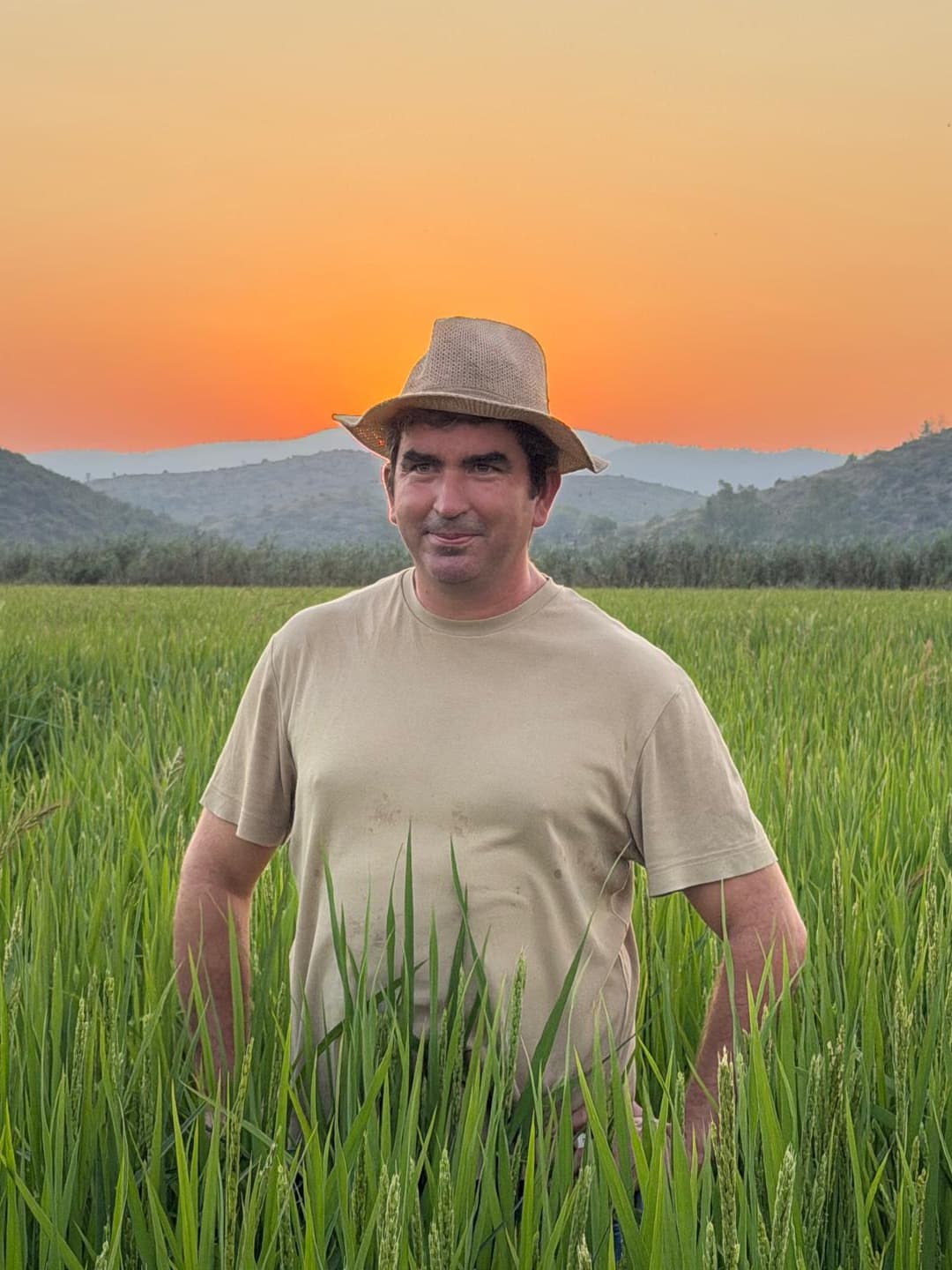
Vicent Dominguís, an agricultural engineer, runs Pego Natura and has been one of the loudest voices for the variety. His argument is agronomic before it is romantic. Bombó is native, so it suits this ground. It tolerates the salinity here. It resists Pyricularia, the fungal disease that haunts rice in this marsh, which means fewer treatments going into a protected wetland full of clean spring water.
The grain now carries the Parcs Naturals mark and has been admitted to the DO Arròs de València. It is about a tenth of what Pego grows, and the growers would like that share to keep rising.
Cook this rice and you have a wetland on the plate, along with two hundred families who kept farming land that was worth more to somebody else as building plots.
Ask for it by name. Bombó, from Pego and it came back from five hundred grams.

 12 April 2026
 26 April 2026
 3 May 2026