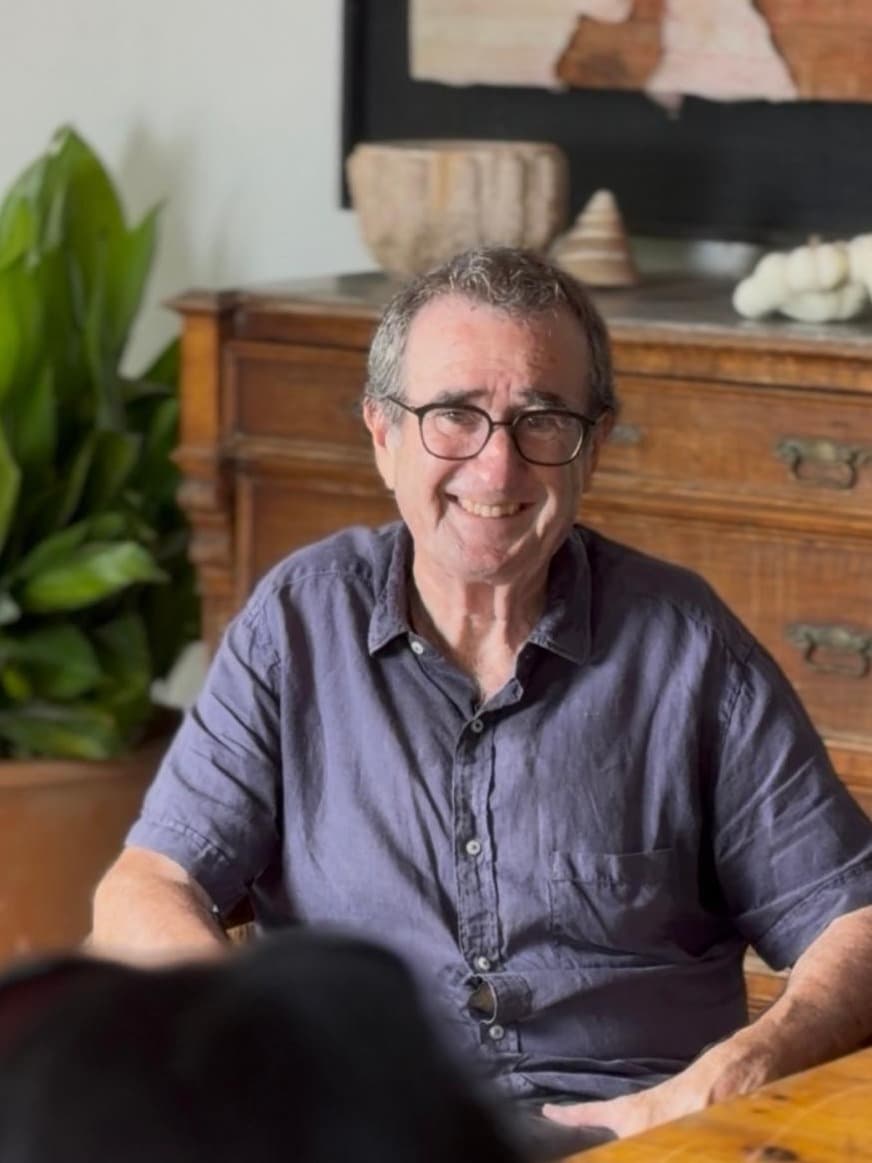
Pep Romany came to cooking from physics. Then he went to war with the Italian pizza, and his weapon is a rotating oven outside Dénia that burns holm oak.
Five minutes. That is how long a coca spends in the oven at Pont Sec, and Pep Romany times it the way a man times things when he used to work in physics and hospital computing before he ever ran a kitchen.
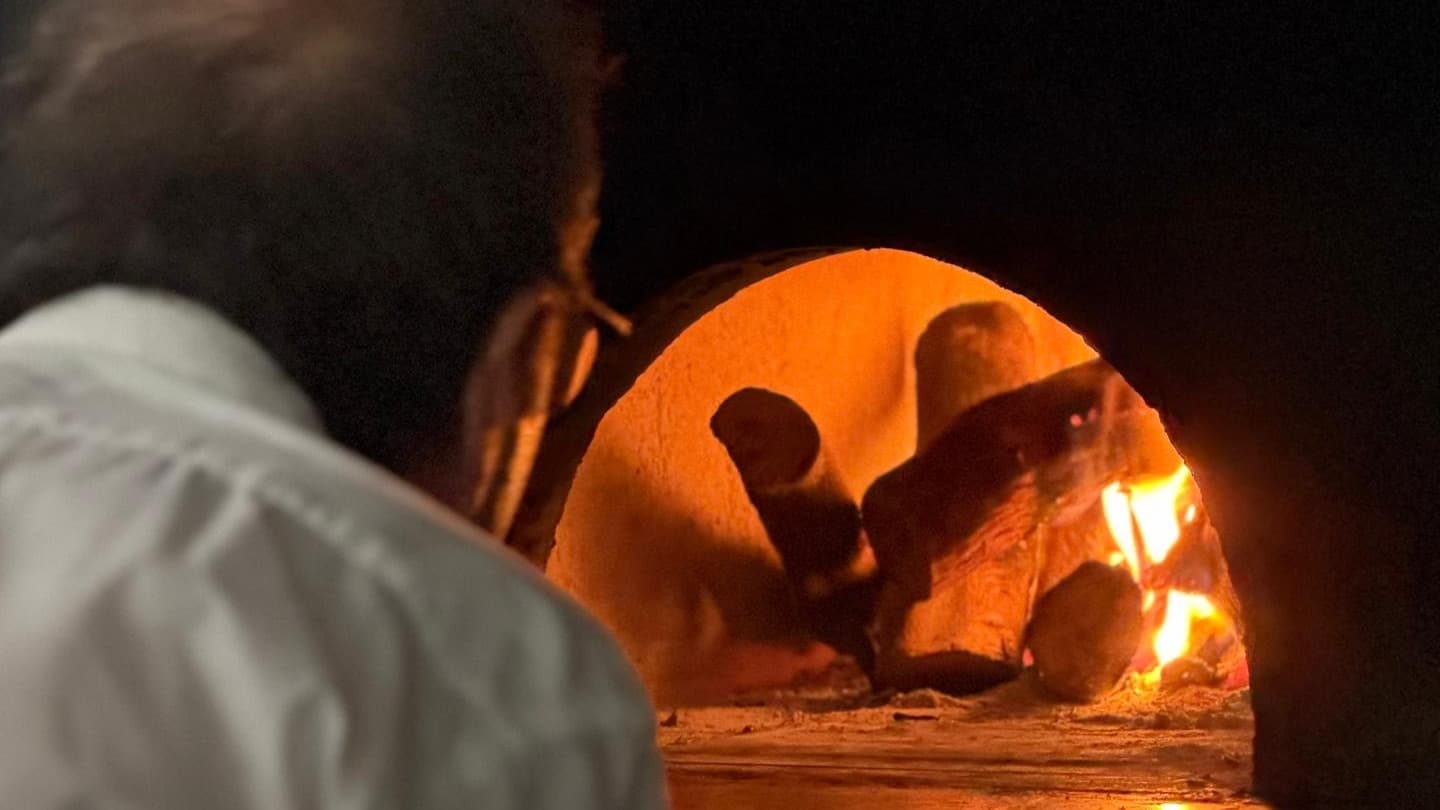
The oven rotates, and seasoned holm oak burns inside it. The fire is lit with a gas burner, and a digital control panel on the front keeps the temperature steady to the second. Some visitors find the panel funny. I find it tells you almost everything about the man who bought it. He calls the oven his Maserati.
Pep chooses his tools the way an engineer would, for what they do. All of his feeling goes into the coca.
The coca is Valencian flatbread, older than anyone can date, baked flat with whatever the season gave you on top: mullador, wild herbs, sausage, figs in August. It has been quietly losing ground across Spain to the pizza, which has better marketing and a fixed identity and arrived with a global industry behind it.
Romany answered with a coca made with more patience, and from more local ingredients, than any pizza in the province.
The dough ferments for a minimum of three days. The flour comes from wheat that had effectively disappeared: six native varieties recovered since 2013 by an association in the village of Jesús Pobre, grown on more than fifty hectares of dry-farmed land, and milled on a stone mill on the Carrer Major. The names are worth saying out loud, because until recently nobody had said them for decades. Rojal. Fartó. Assolacambres. Amorós blanc. Amorós colorat. Xeixa.
That flour has gone from a rescue project to the kind of thing two-Michelin-star kitchens in Valencia bake their bread with.
Behind the restaurant there is a garden, and it is the part of Pont Sec I would film first if I filmed nothing else.
An order comes in for the roasted tomato. Somebody walks out of the kitchen, into the huerto, and picks the tomato. Then it goes into the wood oven for an hour at low temperature and comes out as the dish. Pebrera callosina, marmande and pera bestial tomatoes grow there with wild herbs, under a big old fig tree whose black figs end up on summer cocas.
Romany's own line about that tomato is the best summary of his cooking I have heard from anyone: "No la hago yo, lo hace la planta." I do not make it. The plant does.
The same patience goes into the salazones. Octopus and bonito are salted and dried in-house, the way this coast kept its fish long before anyone owned a fridge.
He describes his philosophy as les tres tes, which works better in Valencian than in any translation. Tradició, territori, temporada.
There is a detail I keep returning to. Romany came to all of this late, after an entire career in something else, and he is comfortably old enough to have retired instead. He jokes about being in injury time.
Instead he still visits a restaurant in a two-storey country house between the Montgó and the sea, which he opened in 2013 with his wife, Ana Giner. He bakes a bread that was losing its place, from a wheat that had almost gone, in an oven he treats like a sports car.
Order the coca. Sit on the terrace under the vines. It arrives five minutes after you ask for it, and it is the taste of an argument being won.

 12 April 2026
 26 April 2026
 3 May 2026