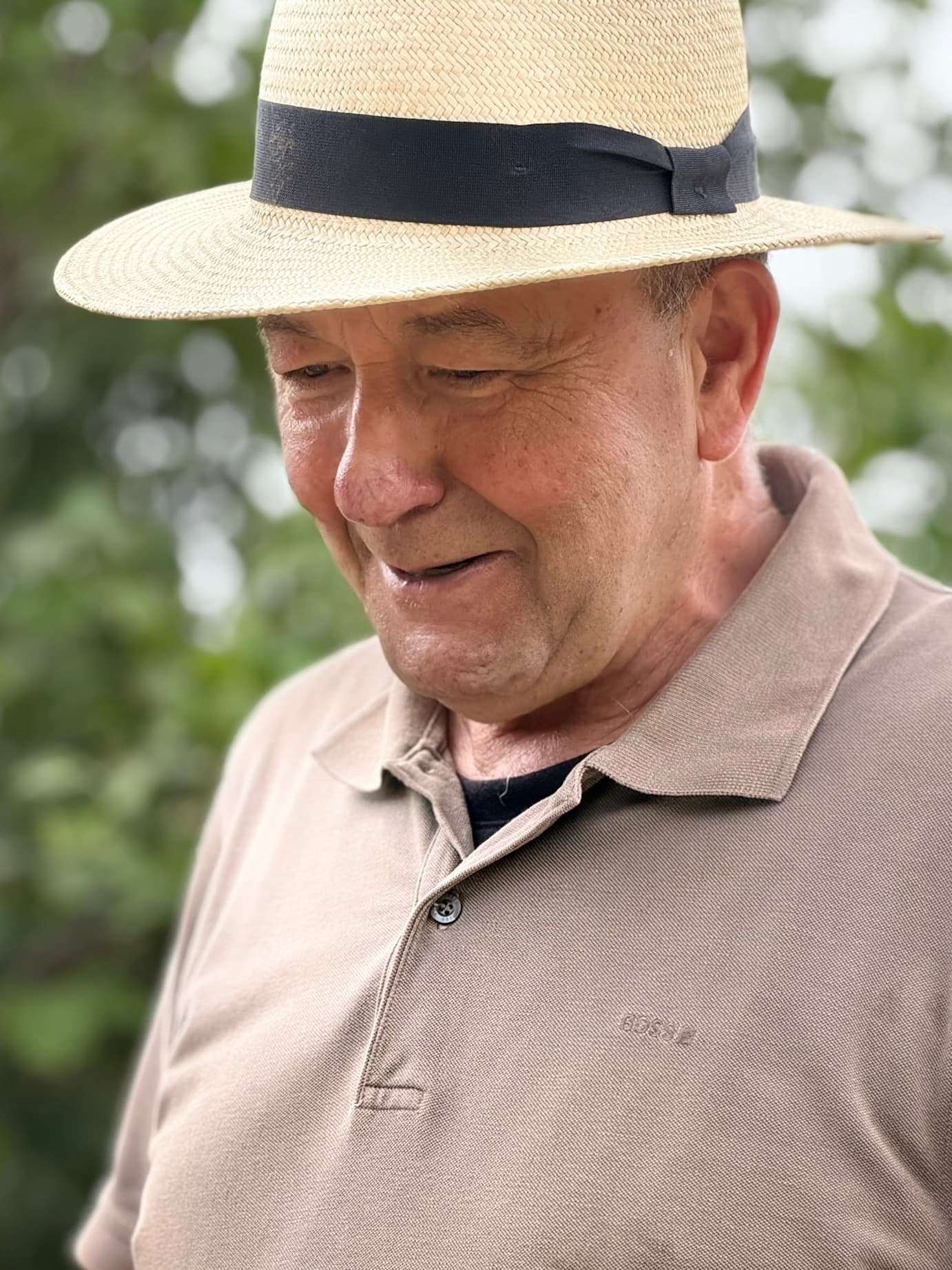
Vicente Todolí ran Tate Modern. He now looks after around five hundred kinds of citrus in a village of a thousand people, and he calls it a museum.
The word paradise comes from Persian. Pairidaeza, a walled garden. The Arabs in Spain believed that the closest thing to paradise on this earth was a citrus garden with a wall around it, and in Palmera, forty minutes north of Dénia, there is a man who has spent the last fifteen years building one.
Vicente Todolí was born in that village in 1958, when it had about five hundred inhabitants and his house had no books in it apart from his mother's parish bulletins. An old neighbour remembered him as the boy who picked up any scrap of paper in the street if it had writing on it.
He left. Venice, Yale, New York, then four museums: IVAM in Valencia, Serralves in Porto, Tate Modern in London, Pirelli HangarBicocca in Milan. For years he ran the most watched exhibition space in the world.
Then he came home and started planting fruit trees.
What he has made in Palmera is a collection, and he is very deliberate about that word. He calls the orchard a living museum, on the grounds that nobody ever has to change the display, because the collection changes by itself every day.
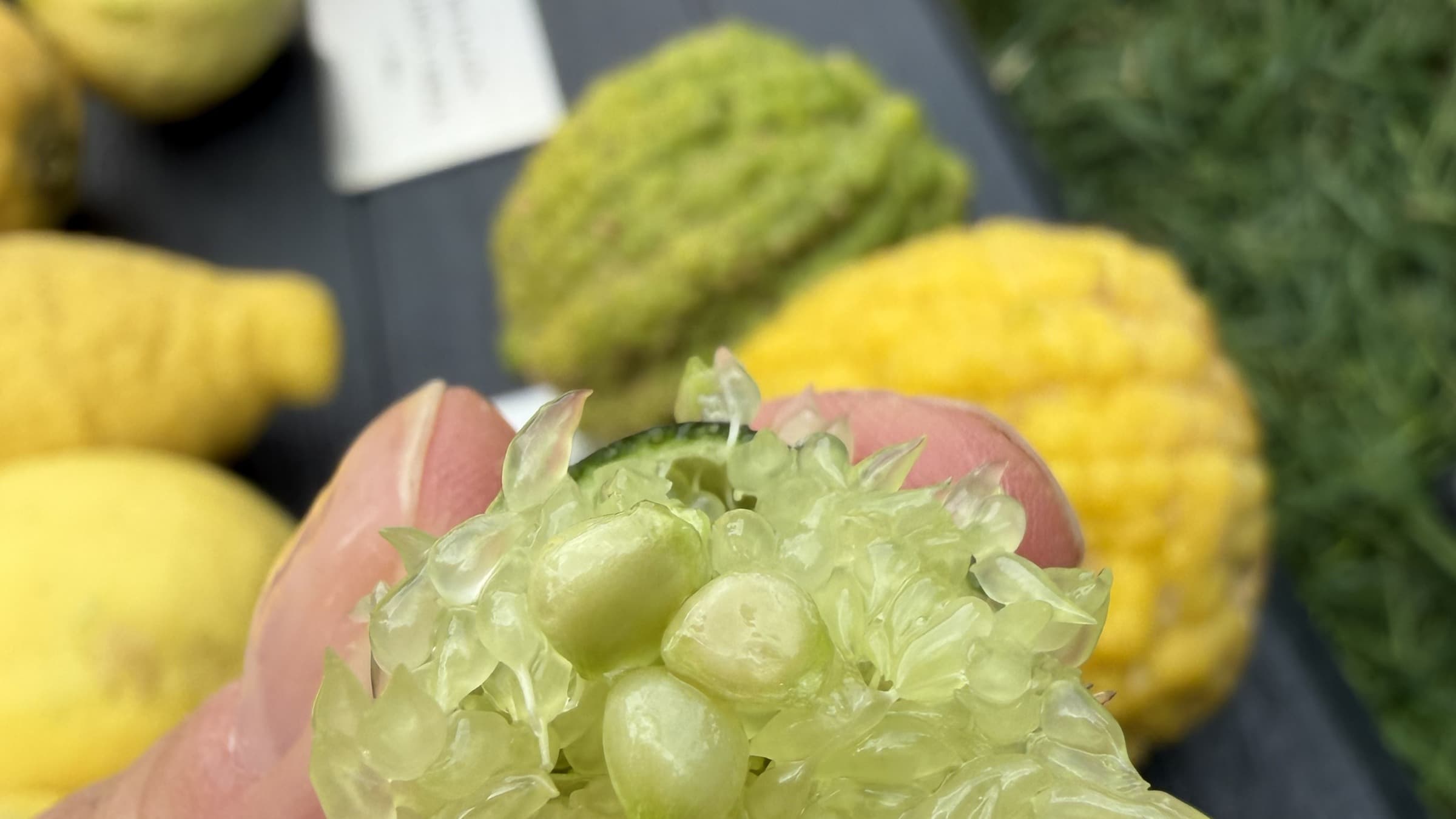
He bought the land from about fifteen neighbours, plot by plot, over years. Three thousand square metres became forty-five thousand. Citrons, mandarins, bitter oranges, limes, hybrids with no commercial future whatsoever, varieties that exist in almost no other ground on earth.
The reason any of this is urgent has to do with how citrus works. You cannot put most of these varieties in a seed bank and come back for them in fifty years. Citrus seed does not survive drying and freezing the way wheat does, and most varieties do not come true from seed anyway. The tree is the archive. Lose the tree and the flavour is gone, with no second copy anywhere.
His phrase for the principle behind it all is variety before production, which in a country whose citrus industry is built on uniformity is close to a heresy.
The kitchens found him quickly. The Roca brothers once ordered a single rare mandarin and used up the whole year's crop of it. Luis Valls at El Poblet works with dozens of his citrus. Chefs come because he has the only fruit of its kind in Spain, and because he is generous with it.
Ferran Adrià is the reason it exists at all. Around 2009 Adrià took him to see a French couple growing rare citrus in pots in a climate far worse for it than Valencia. Todolí could not understand why nobody was doing it here, where the conditions are perfect. Adrià asked him why he did not do it himself.
Something in him clicked, as he puts it, and the rest followed.
He has no children. He says the trees will be his descendants, and he means it in a plain, practical way rather than a poetic one. Somebody will have to water them.
Stand in the orchard in spring, when the blossom is out and the light comes down through the leaves in the way he is always talking about, and the whole argument about biodiversity becomes very simple. It smells like something worth keeping.

 12 April 2026
 26 April 2026
 3 May 2026